

Imagine a fountain of youth, not in a mythical spring, but in your gym bag. For men over 50, building muscle isn’t just about looks. It’s about reclaiming vitality, boosting your metabolism, and fortifying your body against the inevitable changes of aging. It’s never too late to sculpt a stronger, healthier you.
Eating right is paramount as you age. Your body’s needs shift. Protein remains your muscle’s best friend. It helps repair and build new tissue.
Prioritize Protein Intake
Aim for protein at every meal. This supports muscle growth and recovery. Think grilled chicken, fish, or lean beef. Plant-based options like lentils and tofu also work well.
For example, instead of just a salad for lunch, add grilled salmon. This simple change significantly boosts your protein. Your muscles will thank you in the long run.
Smart Carbohydrate Choices
Carbs provide energy for workouts. Choose complex carbohydrates wisely. Whole grains, fruits, and vegetables offer sustained energy. They also deliver essential vitamins and minerals.
A post-workout meal with sweet potato and lean turkey is a great choice. It replenishes glycogen stores. This fuels future training sessions effectively.
Hydration is Key
Water is fundamental for bodily functions. It aids nutrient transport and waste removal. Dehydration can hinder performance and recovery. Drink water throughout the day.
Carry a water bottle with you. Sip it regularly, especially before, during, and after exercise. You might be surprised how much better you feel.
Consider Micronutrients
Vitamins and minerals play supporting roles. They are crucial for overall health. They impact energy production and immune function. A balanced diet usually covers most needs.
If you’re concerned about deficiencies, talk to a doctor. They can recommend specific supplements if necessary. Don’t guess; get professional guidance.
Strength Training: The Cornerstone of Muscle Growth
Resistance training is non-negotiable for men over 50. It combats sarcopenia, the age-related loss of muscle mass. Building muscle improves bone density and metabolic health.
Compound Movements First
Focus on exercises working multiple muscle groups. Squats, deadlifts, and bench presses are excellent examples. They provide the most bang for your buck. They stimulate more muscle fibers and burn more calories.
Start with lighter weights if new to these. Master proper form before increasing resistance. This prevents injuries and maximizes effectiveness.
Progressive Overload Explained
To keep growing, you must challenge your muscles. Gradually increase the weight lifted. You can also do more repetitions or sets. Change the tempo or reduce rest periods.
If you can easily do 10 reps, it’s time to add a little weight. This consistent challenge signals your muscles to adapt and grow stronger.
Listen to Your Body
Joint health becomes more important with age. Pay attention to any discomfort. Modify exercises as needed. Avoid pushing through sharp pain.
Stretching and mobility work are vital. They prepare your body for lifting. They also aid in recovery. Never skip your warm-up and cool-down.
Sample Workout Structure
A balanced routine hits all major muscle groups. Perform 2-3 full-body workouts per week. Allow at least one rest day between sessions. This gives muscles time to repair.
Focus on lower body, upper body push, and upper body pull movements. Include core work in each session. Rotate exercises to prevent plateaus.
Cardiovascular Health: Beyond Looking Good
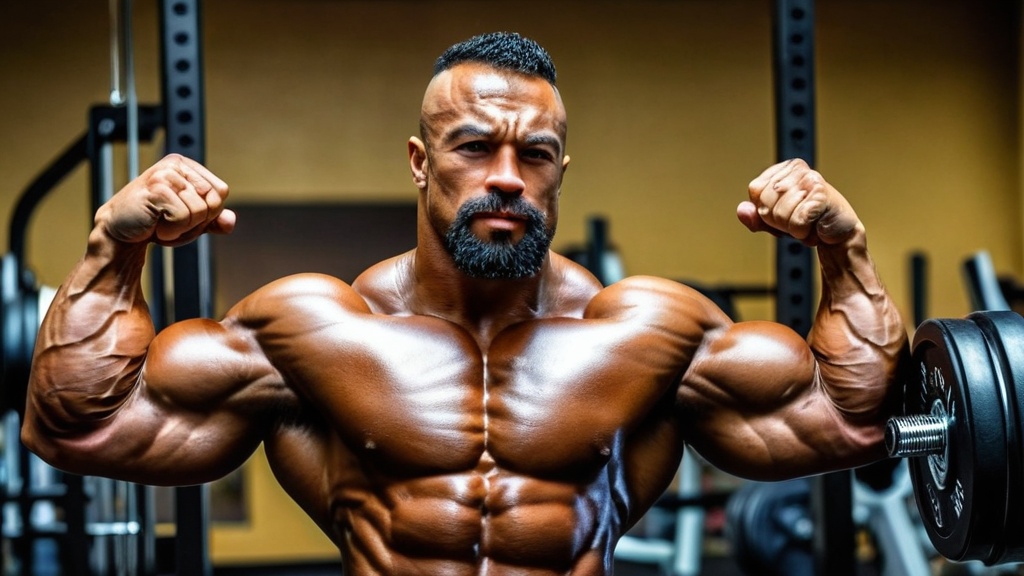
Cardio training complements your strength work. It improves heart health and stamina. It also aids in fat loss. This can enhance muscle definition.
Moderate Intensity is Effective
You don’t need grueling cardio sessions. Brisk walking, cycling, or swimming are great. Aim for at least 150 minutes of moderate activity weekly. This greatly benefits your cardiovascular system.
Find activities you genuinely enjoy. This makes consistency much easier. A brisk walk in the park can be just as beneficial as a run.
Interval Training Benefits
High-intensity interval training (HIIT) can be very effective. However, use it cautiously and strategically. Short bursts of intense effort followed by recovery periods work well.
Start with shorter intervals. Gradually increase intensity and duration. Always consult a doctor before starting HIIT. Ensure your body is prepared for the demands.
Recovery and Cardio
Don’t let cardio detract from your lifting. Schedule cardio on non-lifting days. Or, perform lighter cardio sessions after your strength training. Prioritize your recovery needs above all else.
Allow adequate rest between intense cardio bouts. This prevents overtraining and injury. Listen to your body’s signals for rest.
Recovery and Rest: Where Muscle Truly Grows

Muscle growth happens during rest, not during the workout. Adequate sleep and recovery are essential for repair and adaptation. This is a crucial, yet often overlooked, aspect of bodybuilding.
The Power of Sleep
Aim for 7-9 hours of quality sleep nightly. Sleep is when your body repairs muscle tissue. It also regulates hormones vital for growth. Poor sleep hinders progress.
Create a relaxing bedtime routine. Limit screen time before bed. Make your bedroom a sanctuary for sleep. Consistent sleep patterns are key.
Active Recovery Strategies
Light activities can aid recovery. Gentle stretching, foam rolling, and yoga help. They improve blood flow and reduce muscle soreness. This prepares you for your next workout.
Spend 10-15 minutes post-workout on this. It’s a worthwhile investment in your physical well-being. You’ll feel less stiff and more limber.
Manage Stress Levels
Chronic stress elevates cortisol. This hormone can break down muscle tissue. Find healthy ways to manage stress. This supports your bodybuilding goals.
Mindfulness, meditation, or hobbies can help. Regular breaks throughout the day are also beneficial. Find what de-stresses you effectively.
Recognize Overtraining Symptoms
| Metrics | Results |
|---|---|
| Body Fat Percentage | 15% |
| Lean Muscle Mass | 150 lbs |
| Workout Frequency | 4 times per week |
| Dietary Protein Intake | 1 gram per pound of body weight |
| Supplement Usage | Whey protein, creatine, and fish oil |
Signs include persistent fatigue and decreased performance. You might experience irritability or sleep disturbances. If you notice these, scale back your training. More is not always better.
Allow your body ample time to recover. This prevents burnout and keeps you motivated. Listen to critical signals from your body.
Consistency and Patience: The Long-Term Game
Bodybuilding over 50 is a marathon, not a sprint. Results take time and consistent effort. Celebrate small victories and stay disciplined. The journey itself is rewarding.
Set Realistic Goals
Understand that progress might be slower than when younger. Adjust your expectations accordingly. Focus on consistent improvement rather than rapid transformation. This builds sustainable habits.
For example, aim to increase your bench press by 5 pounds every few weeks. This is a achievable and motivating goal. It shows tangible progress.
Find Your Community
Training with others can boost motivation. Join a gym with a supportive atmosphere. Share your progress and challenges. A community provides encouragement.
Consider finding a workout buddy. This adds accountability. You can motivate each other. Having support makes challenges easier to overcome.
Stay Adaptable
Your body will continue to change. Be prepared to adjust your training. Listen to your body’s feedback. Adapt your routine as needed. Flexibility is crucial for long-term success.
If a certain exercise begins causing pain, find an alternative that targets the same muscle group. There are always options available. Experiment and find what works best.
Enjoy the Process
Ultimately, enjoy the benefits of a healthier, stronger body. The confidence and vitality you gain are immense. Bodybuilding over 50 is about enhancing your quality of life. Embrace the journey and the results.
This commitment fosters well-being. It improves physical and mental strength. It’s a powerful investment in your future self. You’re building more than muscle; you’re building a better life.
FAQs
1. What are some common bodybuilding habits for men over 50?
Some common bodybuilding habits for men over 50 include incorporating resistance training, focusing on proper form and technique, maintaining a balanced diet, getting adequate rest and recovery, and staying consistent with their workout routine.
2. How does resistance training benefit men over 50 in bodybuilding?
Resistance training helps men over 50 in bodybuilding by increasing muscle mass, improving bone density, boosting metabolism, and enhancing overall strength and functional fitness. It also helps in preventing age-related muscle loss and maintaining a healthy body composition.
3. What dietary habits are important for men over 50 in bodybuilding?
Men over 50 in bodybuilding should focus on consuming a balanced diet that includes adequate protein for muscle repair and growth, healthy fats for hormone production, and complex carbohydrates for energy. It’s also important to stay hydrated and consume a variety of vitamins and minerals for overall health.
4. How important is rest and recovery for men over 50 in bodybuilding?
Rest and recovery are crucial for men over 50 in bodybuilding as it allows the body to repair and rebuild muscle tissues, prevents overtraining and injury, and helps in maintaining hormonal balance. It’s recommended to get 7-9 hours of quality sleep each night and incorporate rest days into the workout routine.
5. What are some tips for men over 50 to stay consistent with their bodybuilding habits?
To stay consistent with bodybuilding habits, men over 50 can set realistic goals, create a structured workout plan, track their progress, find a workout partner or join a supportive community, and make adjustments to their routine as needed. It’s also important to stay motivated and enjoy the process of improving overall health and fitness.