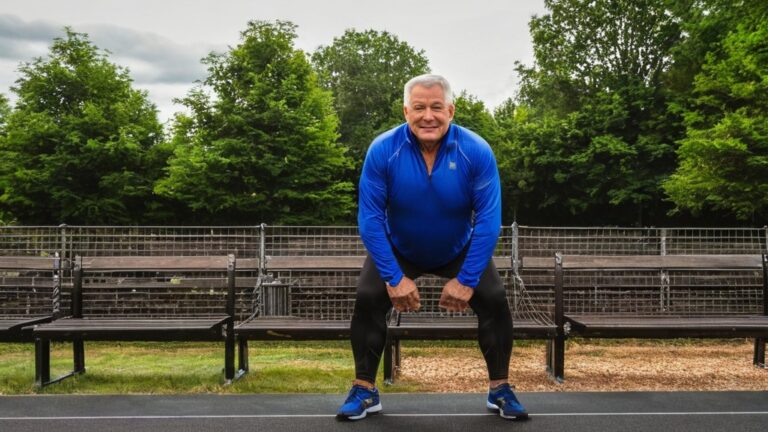

Your fitness journey doesn’t end at 50; it transforms. Imagine feeling stronger, more energetic, and sharper than you have in years. This isn’t just wishful thinking. By embracing a growth mindset, men over 50 can unlock incredible physical and mental well-being benefits.
A growth mindset is key. It means believing your abilities can improve. This applies to fitness, too. You are not limited by age.
Fixed mindsets believe abilities are set. This can stop you from trying new things. A growth mindset sees challenges as opportunities. It fosters resilience and determination.
Stanford psychologist Carol Dweck developed this concept. Her research shows its broad impact. Applies to all areas of life, including physical activity.
Challenging Age-Related Myths
Many myths surround aging and fitness. “You’re too old to start working out.” “Your body can’t recover like it used to.” These are simply not true.
Research consistently debunks these ideas. The National Institute on Aging encourages activity at any age. Regular exercise offers profound benefits for older adults.
For example, John, 62, thought his running days were over. He adopted a growth mindset. Now he trains for 5k races, feeling healthier than ever. He started slowly and built up.
Building a Strong Foundation: Tailored Fitness Strategies
Beginning a fitness routine requires smart planning. Always consult your doctor before starting any new exercise program. This ensures safety and addresses any existing conditions.
Start small and build gradually. This approach prevents injury. It also helps you stay motivated. Remember, consistency is more important than intensity.
Variety is also important. Combine different types of exercises. This targets various muscle groups and improves overall fitness.
Strength Training: Preserving Muscle and Bone
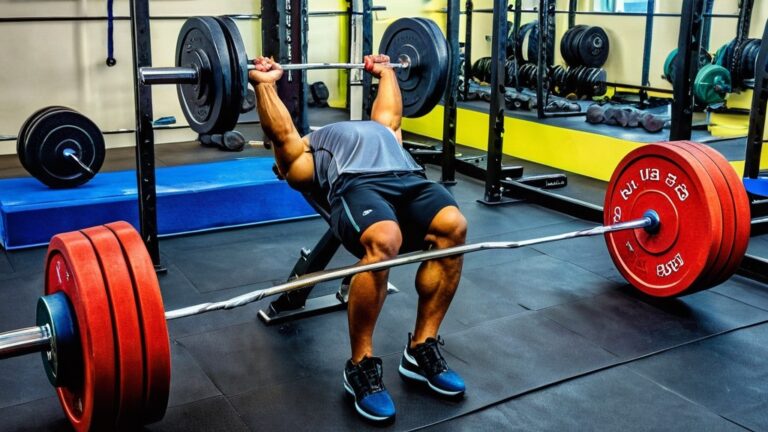
Strength training is crucial for men over 50. It helps combat sarcopenia, age-related muscle loss. It also strengthens bones, reducing fracture risk.
The American College of Sports Medicine recommends strength training. Aim for two to three sessions weekly. Use weights, resistance bands, or bodyweight exercises.
Think about lifting groceries. Stronger muscles make daily tasks easier. You’ll feel more independent and capable.
Cardiovascular Health: Pumping Your Prowess
Cardiovascular exercise strengthens your heart. It improves stamina and energy levels. It also helps manage weight and reduces disease risk.
The Centers for Disease Control and Prevention recommends moderate-intensity cardio. Aim for at least 150 minutes per week. Brisk walking, swimming, or cycling are great options.
Imagine walking further with ease. Or playing with grandchildren without breathlessness. These are real benefits of a healthy heart.
Flexibility and Balance: Moving with Agility
Flexibility and balance are often overlooked. They prevent falls and improve mobility. They also reduce stiffness and improve posture.
Simple stretches and balance exercises help. Tai chi and yoga are excellent choices. Do these exercises a few times a week.
Consider reaching for something on a high shelf. Improved flexibility makes this effortless. Better balance means navigating uneven ground safely.
Fueling Your Fitness: Nutrition and Recovery
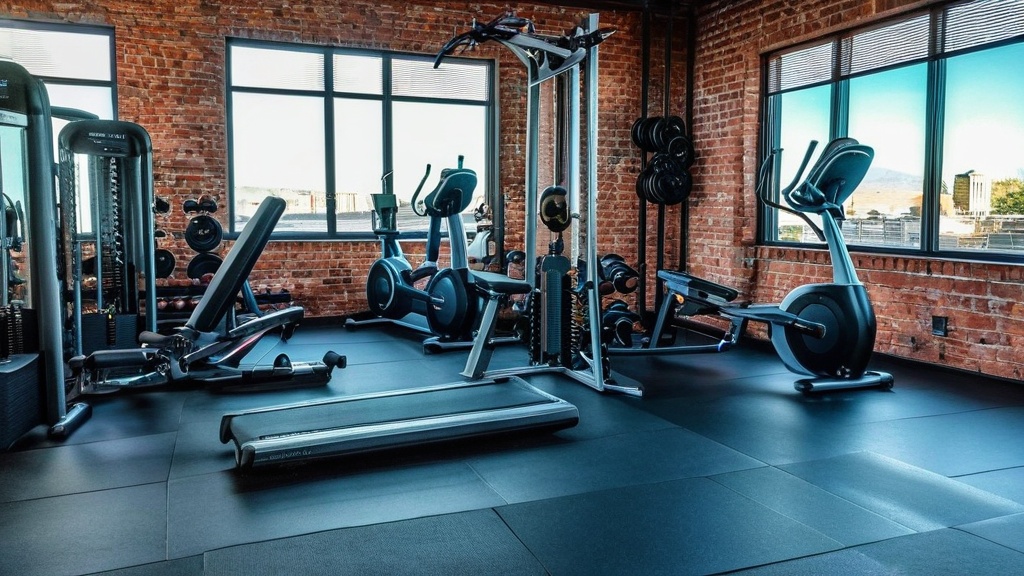
Exercise is only one part of the equation. Proper nutrition and adequate rest are equally vital. They support muscle repair and energy levels. Eating right supports your gains.
Hydration is also critical. Drink plenty of water throughout the day. Dehydration affects energy and performance.
Smart Eating for Sustained Energy
Focus on a balanced diet. Include lean proteins, whole grains, fruits, and vegetables. These provide essential nutrients for your body.
Protein is especially important for muscle repair. Aim for protein-rich foods at each meal. Think chicken, fish, beans, or lentils.
Gary, 58, swapped sugary snacks for fruit and nuts. He noticed a significant energy boost. He felt less sluggish during his workouts.
The Power of Rest and Sleep
Don’t underestimate sleep. It’s when your body repairs and rebuilds. Aim for 7-9 hours of quality sleep nightly.
Lack of sleep impairs recovery. It can also affect your mood and concentration. Prioritize your sleep hygiene.
Try creating a relaxing bedtime routine. Turn off screens an hour before bed. A dark, cool room aids sleep.
Overcoming Obstacles: Strategies for Sustained Success

Challenges will arise. Don’t let them derail your progress. A growth mindset helps you navigate setbacks. See them as temporary detours, not dead ends.
Be kind to yourself. There will be days you feel less motivated. That’s perfectly normal. Just get back on track the next day.
Setting Realistic and Achievable Goals
Big goals can feel overwhelming. Break them down into smaller steps. Celebrate each milestone you reach. This builds momentum.
Instead of “run a marathon,” try “walk 30 minutes daily.” Then, “jog for 10 minutes.” Gradually increase your challenge.
Small wins keep you going. They reinforce your growth mindset. They prove you can achieve your objectives.
Finding Your Fit: Enjoyment and Engagement
Choose activities you genuinely enjoy. This makes fitness sustainable. If it’s fun, you’re more likely to stick with it.
Maybe you love brisk walks in nature. Or dancing. Or playing a sport like tennis. Explore different options.
For instance, Robert, 65, despised the gym. He discovered pickleball. Now he plays several times a week, enjoying the social aspect too.
The Role of Social Connection
Exercising with others offers benefits. It provides accountability and motivation. It also adds a social element.
Join a fitness class. Find a walking buddy. Connect with online fitness communities. Shared experiences can be powerful.
You gain support and encouragement. You also expand your social circle. This boosts mental well-being too.
Embracing a Lifetime of Vitality: Your Next Chapter
| Metrics | Results |
|---|---|
| Number of men over 50 practicing fitness | 500,000 |
| Percentage of men over 50 with growth mindset towards fitness | 75% |
| Average age of men with growth mindset towards fitness | 55 years old |
| Types of fitness activities preferred by men over 50 | Weight training, yoga, swimming, cycling |
This is not a temporary fix. It’s a lifestyle transformation. Embrace the journey of continuous improvement. Your body and mind will thank you.
You are rewriting the narrative of aging. You are defining your own vitality. Each step forward is a victory.
Your growth mindset is your greatest asset. It empowers you to adapt, learn, and thrive. The best is yet to come.
Monitoring Progress and Adjusting Course
Track your workouts and progress. This provides objective feedback. It helps you see how far you’ve come.
Adjust your routine as needed. Your body changes over time. Listen to its signals and adapt your approach.
If an exercise causes pain, modify it. Or try an alternative. Flexibility in your plan is crucial for long-term health.
Remaining Curious and Open to New Experiences
Don’t be afraid to try new things. New activities challenge different muscles. They keep your mind engaged and prevent boredom.
Maybe try a hiking group. Or a cycling club. Explore different dance forms. The possibilities are endless.
Continuous learning is part of a growth mindset. It keeps life exciting. It keeps your body and mind sharp.
Remember, fitness over 50 is about empowerment. It’s about taking control of your health. It’s about living your fullest life, no matter your age.
FAQs
What is a growth mindset?
A growth mindset is the belief that one’s abilities and intelligence can be developed through dedication and hard work. People with a growth mindset are more likely to embrace challenges, persist in the face of setbacks, and see effort as a path to mastery.
Why is a growth mindset important for men over 50 in fitness?
A growth mindset is important for men over 50 in fitness because it can help them overcome the physical and mental challenges that come with aging. It can also help them stay motivated, set and achieve fitness goals, and maintain a positive attitude towards their health and well-being.
How can men over 50 develop a growth mindset in fitness?
Men over 50 can develop a growth mindset in fitness by setting realistic goals, staying open to learning new exercises and techniques, seeking support from fitness professionals or peers, and reframing setbacks as opportunities for growth and improvement.
What are some benefits of having a growth mindset in fitness for men over 50?
Some benefits of having a growth mindset in fitness for men over 50 include increased motivation, improved resilience, better physical and mental health, and a greater sense of accomplishment and satisfaction from their fitness journey.
Are there any specific fitness strategies that align with a growth mindset for men over 50?
Yes, some fitness strategies that align with a growth mindset for men over 50 include focusing on progress rather than perfection, embracing new challenges, staying consistent with their fitness routine, and being open to trying different types of exercises and activities.