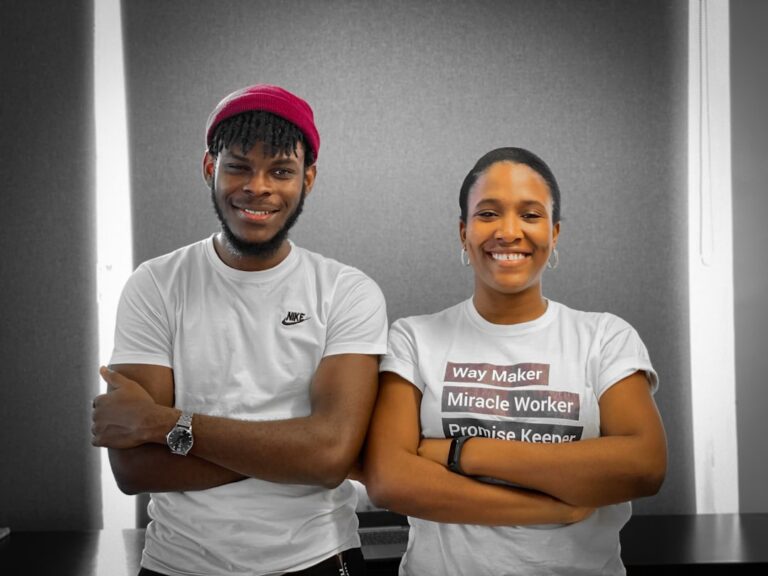

The journey past fifty offers new opportunities. Men can unlock remarkable strength and vitality. This stage of life allows for significant personal growth. Embrace these years with confidence and purpose.
Many men worry about physical decline with age. This is not inevitable. Regular physical activity maintains strength and mobility. You can build new muscle and improve endurance.
The Science of Strength Training
Resistance training is crucial. Studies show it rebuilds muscle mass. This combats age-related muscle loss (sarcopenia). Aim for two to three sessions weekly. Lift weights that challenge you.
For instance, consider lifting groceries. Strong muscles make this task easier. You feel more capable and independent. Begin with bodyweight exercises. Push-ups and squats are great starts.
Endurance for Everyday Life
Cardiovascular health matters. It supports your heart and lungs. Regular aerobic exercise boosts stamina. Aim for 150 minutes of moderate activity weekly. Think brisk walking or cycling.
Imagine keeping up with grandchildren. Excellent cardio fitness makes this possible. You run and play without tiring quickly. Even short, frequent bursts of activity count. Take the stairs instead of the elevator.
Flexibility and Balance Benefits
Maintain flexibility and balance. This prevents falls. It improves overall movement quality. Incorporate stretching and balance exercises. Yoga or Tai Chi are excellent choices.
Picture reaching for something high. Good flexibility allows this without strain. Strong balance keeps you steady. Practice standing on one leg. Hold for 30 seconds.
Nourishing Your Body for Longevity
What you eat fuels your body. Proper nutrition supports strength and vitality. It helps prevent age-related diseases. Make informed food choices.
Protein for Muscle Maintenance
Protein is essential for muscle. It helps repair and build tissue. As we age, protein needs increase. Aim for lean protein sources. Chicken, fish, and legumes are good choices.
Think of a home repair. Protein acts like the building blocks. It keeps your muscles strong. Include protein with every meal. A hard-boiled egg with breakfast is simple.
The Power of Plant-Based Foods
Fruits, vegetables, and whole grains offer many benefits. They provide vitamins, minerals, and fiber. These nutrients support overall health. They also reduce inflammation.
Consider a protective shield. These foods form a barrier against illness. They keep your body running smoothly. Fill half your plate with produce. Enjoy a colorful salad.
Hydration: An Unsung Hero
Water is vital for every bodily function. It aids nutrient transport. It regulates body temperature. Many men do not drink enough water. Stay hydrated throughout the day.
Imagine a well-oiled machine. Water keeps your body performing optimally. It helps you think clearly. Carry a water bottle with you. Take regular sips.
Sharpening Your Mental Acuity
Mental sharpness is key to confidence. The brain benefits from exercise. Keep your mind engaged and challenged. This promotes cognitive health.
Lifelong Learning Opportunities
Learning new things stimulates the brain. It builds new neural pathways. Try a new hobby. Learn a language or play an instrument. Embrace curiosity.
Think of your brain as a muscle. The more you use it, the stronger it gets. Learning keeps it agile. Join a book club. Attend a lecture series.
Social Connections and Brain Health
Social interaction is crucial. It reduces stress and isolation. It provides mental stimulation. Connect with friends and family regularly. Join community groups.
Imagine a vibrant conversation. Sharing ideas keeps your mind active. It fosters a sense of belonging. Volunteer for a cause you care about. Meet new people.
Mindfulness and Stress Reduction
Stress can impair cognitive function. Practicing mindfulness can help. It allows you to focus on the present. This reduces anxiety. Try meditation or deep breathing.
Consider a stormy mind. Mindfulness is like finding calm. It brings clarity. Dedicate a few minutes daily to quiet reflection. Focus on your breath.
Cultivating Emotional Resilience

Confidence after 50 includes emotional well-being. Develop resilience to life’s challenges. Embrace positive coping strategies. This strengthens your inner resolve.
Building a Strong Support Network
Having supportive relationships is invaluable. Share your thoughts and feelings. Lean on trusted friends and family. This provides comfort and perspective.
Imagine a sturdy bridge. Your support network helps you cross difficult times. It offers stability. Reach out to a friend for a chat. Offer support in return.
Practicing Self-Compassion
Be kind to yourself. Recognize your strengths and weaknesses. Treat yourself with the same understanding. This fosters self-acceptance. Avoid harsh self-criticism.
Think of a friendly coach. Encourage yourself rather than criticizing. Acknowledge your efforts. Celebrate small victories. Forgive yourself for mistakes.
Finding Purpose and Meaning
Having purpose contributes to happiness. It gives direction to your life. Identify activities that matter to you. Engage in meaningful pursuits. This could be a passion or a cause.
Imagine a guiding star. Purpose helps illuminate your path. It brings satisfaction. Mentor someone. Pursue a creative project.
Embracing a Proactive Lifestyle
| Age Group | Confidence Level | Strength Level |
|---|---|---|
| Over 50 | High | Strong |
Taking charge of your health empowers you. Be proactive in your well-being. Regular check-ups are essential. Healthy habits become your foundation.
Regular Health Screenings
Preventative care is vital. It detects issues early. Schedule annual physicals. Follow your doctor’s recommendations. This helps maintain good health.
Think of preventative maintenance for a car. Regular checks keep it running. Do not wait for problems to arise. Get your blood pressure checked. Monitor your cholesterol.
Prioritizing Quality Sleep
Sleep is fundamental for health. It allows your body to repair. It consolidates memories. Aim for 7-9 hours of quality sleep nightly. Create a consistent sleep schedule.
Imagine a recharging station. Sleep replenishes your energy. It sharpens your mind. Avoid screens before bed. Create a dark, cool sleep environment.
Managing Stress Effectively
Chronic stress harms health. Develop healthy stress-management techniques. Exercise, hobbies, and social connections help. Address stressors directly when possible.
Consider a pressure release valve. Effective stress management lets off steam. It prevents burnout. Take short breaks during the day. Engage in enjoyable activities.
Confidence after 50 is an attainable goal. It involves a holistic approach. Nurture your physical, mental, and emotional health. Embrace new challenges and opportunities. Live these years with strength and purpose. Your journey is uniquely yours. Approach it with optimism. Each day offers a chance to grow stronger. Make choices that support your well-being. This investment pays lasting dividends. Enjoy the vibrant journey ahead. Take one step at a time. The path to strength unfolds daily. Embrace the process with enthusiasm. Your best years are still unfolding.
FAQs
What are confidence men over 50 strength?
Confidence men over 50 strength refers to the physical and mental resilience and confidence that men over the age of 50 possess. This strength can come from years of life experience, wisdom, and a deeper understanding of oneself.
How can men over 50 build their confidence and strength?
Men over 50 can build their confidence and strength through regular exercise, maintaining a healthy lifestyle, seeking support from friends and family, and engaging in activities that bring them joy and fulfillment.
What are the benefits of confidence and strength for men over 50?
The benefits of confidence and strength for men over 50 include improved physical health, mental well-being, resilience in facing life’s challenges, and the ability to pursue new opportunities and experiences with a positive mindset.
What are some common challenges faced by men over 50 in maintaining confidence and strength?
Common challenges faced by men over 50 in maintaining confidence and strength include age-related physical changes, societal expectations, career transitions, and adjusting to new life stages such as retirement or empty nesting.
How can society support and empower men over 50 to embrace their confidence and strength?
Society can support and empower men over 50 by challenging ageist stereotypes, providing resources for physical and mental health, creating inclusive communities and opportunities for older adults, and recognizing the valuable contributions and wisdom of men in this age group.