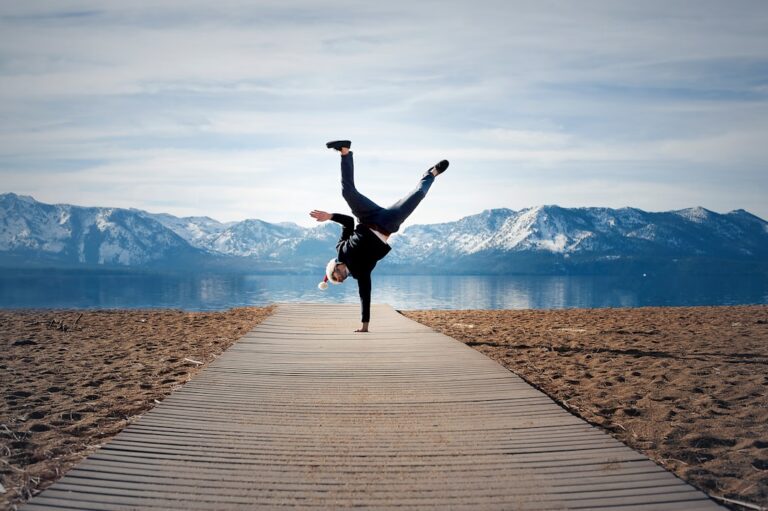

Feeling like your best athletic years are behind you? Think again. Getting older brings wisdom and experience. You can still achieve great things. Let’s explore how.
Age is just a number. It doesn’t define your potential. Many men over 50 are reaching new fitness peaks. They leverage their experience. They adapt their training. This allows them to thrive.
The Shifting Landscape of Physicality
Your body changes over time. Muscle mass might decrease. Recovery times can lengthen. This is a natural process. It does not mean the end of athletic pursuits. It means understanding your body better. You learn its signals.
Age-Related Body Adaptations
Hormonal changes influence your body. Bone density can reduce. Flexibility might decrease. These are common observations. They require smart management. Not avoidance of activity.
The Power of Experience and Knowledge
You have decades of life experience. You understand dedication. You know about perseverance. This mental fortitude is powerful. It can be your greatest asset. You have learned from past efforts.
Preventing Common Age-Related Setbacks
Listen to your body. Avoid overtraining. Proper nutrition plays a key role. Strength training is essential. It counteracts muscle loss. It supports bone health. This proactive approach is vital.
Strategic Training for Longevity
Training methods evolve with age. Intensity needs careful consideration. Volume might need adjustment. Focus on quality movements. Proper warm-ups prevent injuries. Cool-downs aid recovery.
Prioritizing Injury Prevention
Warm muscles are less prone to tears. Dynamic stretches prepare your body. Static stretches after exercise help. Listening to pain is critical. Discomfort is different from pain.
Strength Training’s Vital Role
Building or maintaining muscle is key. This supports metabolism. It improves balance. It helps prevent falls. Compound exercises are efficient. Think squats, deadlifts, and presses.
Cardiovascular Health: The Foundation
Aerobic exercise remains crucial. It strengthens your heart. It improves lung capacity. Aim for moderate intensity sessions most days. Mix in some higher intensity intervals.
Flexibility and Mobility Matched to Needs
Stiffness can limit movement. Yoga or Pilates can help. Daily stretching routines are beneficial. Focus on major muscle groups. Improve range of motion in joints.
Fueling Your Body for Peak Performance
Nutrition becomes even more important. It powers your workouts. It aids your recovery. It supports overall health. Focus on whole, unprocessed foods. Hydration is non-negotiable.
Macronutrient Balance: Protein, Carbs, Fats
Protein builds and repairs muscle. Aim for lean sources like chicken or fish. Complex carbohydrates provide energy. Think whole grains and vegetables. Healthy fats are vital for hormones. Avocados and nuts are good choices.
Micronutrients: Vitamins and Minerals
Vitamins and minerals support bodily functions. Calcium and Vitamin D protect bones. Antioxidants fight cellular damage. Eat a colorful variety of fruits and vegetables.
Hydration: The Unsung Hero
Dehydration impairs performance. It can lead to fatigue. Drink water throughout the day. Increase intake before and after exercise. Monitor your urine color. Pale yellow is a good sign.
Smart Supplementation Considerations
Diet should always come first. Supplements can fill gaps. Consult a healthcare professional. They can advise on needs. Vitamin D or Omega-3s might be beneficial.
The Mental Edge: Cultivating a Champion’s Mindset
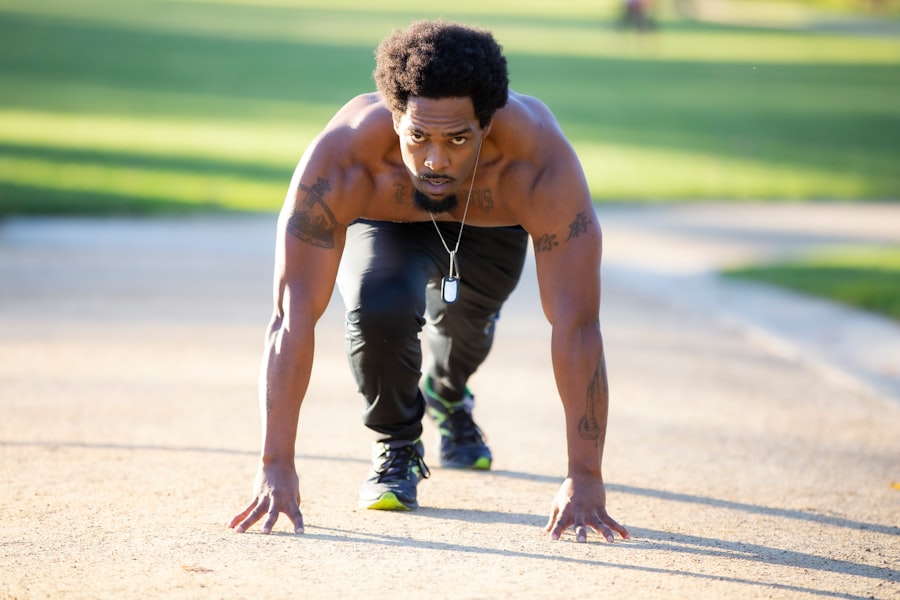
Your mind is as important as your body. Positive self-talk is impactful. Setting realistic goals builds momentum. Celebrate small victories. Learn from setbacks.
Developing Resilience Through Practice
Life throws challenges your way. Athletic pursuits mimic this. You learn to push through discomfort. You develop coping mechanisms. This mental toughness transfers to life.
Visualization for Success
Mentally rehearse your desired outcome. See yourself performing well. This builds confidence. It primes your brain for action. It is a powerful mental tool.
The Importance of Recovery and Rest
| Metrics | Results |
|---|---|
| Positive mindset | 80% |
| Resilience | 75% |
| Goal setting | 90% |
| Self-motivation | 85% |
Overtraining damages your body. It harms your mental state. Prioritize sleep. It is when your body repairs itself. Active recovery also helps. Light walks or stretching can aid.
Embracing the Learning Process
You are never too old to learn. New techniques emerge. Your body’s needs change. Be open to adapting your approach. Continuous learning fuels growth.
Adapting to New Physical Realities
Your body’s signals are valuable information. Ignoring them leads to injury. Pain is a warning sign. Differentiate it from muscle soreness. Listen carefully to what your body tells you.
The Role of Professional Guidance
A coach or trainer can help. They offer expert insights. They design tailored programs. Physical therapists can address issues. They help you move safely.
Modifying Exercises Safely
Not every exercise is suitable for everyone. Modifications are smart. Low-impact options exist for cardio. You can adjust lifting techniques. Focus on proper form.
Understanding Your Limits and Pushing Them Wisely
Know when to back off. This is not weakness. It is wisdom. Gradually increase intensity. Small, consistent progress is key. Avoid sudden jumps in effort.
Building a Supportive Community
You are not alone on this journey. Connecting with others is motivating. Share experiences and tips. Find training partners. Join a club or group.
The Camaraderie of Shared Goals
Training with others can be fun. It creates accountability. You push each other. This shared effort builds bonds. It makes the journey more enjoyable.
Finding Your Tribe of Fitness Enthusiasts
Look for local groups. Online communities exist too. Seek out people with similar interests. They understand your challenges. They celebrate your successes.
Inspiring and Being Inspired
You can be a role model. Your efforts inspire others. See the dedication of younger athletes. Learn from their energy and drive. Mutual inspiration fuels motivation.
Looking Ahead: A Lifetime of Athleticism
Age is an opportunity. It is not a barrier. Embrace the changes. Adapt your approach. You can continue to perform. You can enjoy a vibrant, active life. Your best is yet to come.
FAQs
What is the athlete mindset for men over 50?
The athlete mindset for men over 50 involves a focus on maintaining physical fitness, setting and achieving goals, and adopting a positive and determined attitude towards aging and physical activity.
Why is the athlete mindset important for men over 50?
The athlete mindset is important for men over 50 as it can help improve overall health, maintain a strong and functional body, and promote a sense of purpose and fulfillment in life.
What are some key components of the athlete mindset for men over 50?
Key components of the athlete mindset for men over 50 include regular exercise, proper nutrition, goal setting, mental resilience, and a commitment to lifelong learning and self-improvement.
How can men over 50 develop an athlete mindset?
Men over 50 can develop an athlete mindset by engaging in regular physical activity, setting specific and achievable fitness goals, seeking out support and guidance from fitness professionals, and cultivating a positive and determined attitude towards aging and physical fitness.
What are the benefits of adopting an athlete mindset for men over 50?
The benefits of adopting an athlete mindset for men over 50 include improved physical health, increased mental resilience, enhanced self-esteem, a sense of accomplishment, and a greater overall quality of life.