

Feeling the pull of time on your body? Many men over 50 want to reclaim strength and vitality. Bodybuilding offers a clear path. It’s not just about muscles; it’s about a healthier, more energetic you.
Aging brings changes. Muscle mass naturally declines. This process is called sarcopenia. It starts around age 30, speeding up after 50.
Strength also decreases. Daily tasks become harder. Imagine struggling with grocery bags. This decline impacts quality of life.
Bone density also suffers. This increases fracture risk. Stronger muscles support stronger bones. Bodybuilding can counteract these effects.
The Science Behind Muscle Loss
Hormone levels shift with age. Testosterone, for example, decreases. Testosterone supports muscle growth. Lower levels make building muscle harder.
Protein synthesis slows down. This is how your body builds new protein. Older muscles are less efficient at using protein. Eating enough protein becomes crucial.
Satellite cells become less active. These cells repair and grow muscle. Their reduced function hinders recovery. Proper rest is essential.
Why Bodybuilding Matters More Than Ever
Strength training combats sarcopenia. It stimulates muscle protein synthesis. This helps preserve and build muscle. You can regain lost strength.
Improved bone density is another benefit. Weight-bearing exercises stress bones. This signals them to grow stronger. It reduces osteoporosis risk.
Enhanced metabolism is a plus. Muscle burns more calories than fat. More muscle means a faster metabolism. This helps with weight management.
Better balance and coordination are vital. Stronger leg muscles improve stability. This reduces the risk of falls. Falls can be very serious for older adults.
Starting Your Bodybuilding Journey Safely
Beginning a new fitness routine needs care. Especially after 50. Consult your doctor first. They can identify any health concerns.
A thorough physical is important. Discuss current medications. Ask about any limitations. Your doctor can offer personalized advice.
Start slowly and progressively. Don’t try to lift heavy weights immediately. Focus on proper form. This prevents injuries.
Consider working with a certified personal trainer. They can design a safe program. They can teach correct lifting techniques. A good trainer is invaluable.
The Importance of Proper Form Over Heavy Weight
Incorrect form is a common mistake. It leads to injuries. A bad squat can hurt your back. Focus on controlled movements.
Light weights allow for better form. Master the movement first. Then gradually increase weight. Quality over quantity is key.
Watch instructional videos. Use mirrors in the gym. Pay attention to how your body feels. Stop if you feel sharp pain.
Imagine performing a perfect bicep curl. You control the weight up and down. No swinging, no jerking movements. This builds strength safely.
Listening to Your Body: Avoiding Overtraining
Rest is crucial for muscle growth. Muscles repair and grow during rest. Overtraining leads to exhaustion and injury. Your body needs time to recover.
Pay attention to fatigue levels. Are you constantly tired? Do your muscles feel perpetually sore? These are signs of overtraining.
Incorporate active recovery. Gentle walks or stretching help. They increase blood flow. This aids muscle repair.
Prioritize sleep. Aim for 7-9 hours per night. Sleep is when your body regenerates. It’s not a luxury; it’s a necessity.
Nutritional Pillars for Muscle Growth After 50

What you eat is as important as how you train. Nutrition fuels muscle repair and growth. It’s the foundation of your progress.
Focus on whole, unprocessed foods. Lean proteins, complex carbohydrates, healthy fats. These provide essential nutrients. They support overall health.
Hydration is also vital. Drink plenty of water throughout the day. Water transports nutrients. It aids recovery.
Muscle tissue is mostly water. Dehydration impairs performance. It also hinders recovery. Keep a water bottle handy.
Protein: The Building Block of Muscle
Protein intake is critical. Aim for 1.2 to 1.7 grams per kilogram of body weight. This supports muscle synthesis. It counters age-related muscle loss.
Good protein sources include chicken, fish, eggs, and lean beef. Plant-based options are also excellent. Lentils, beans, tofu, and quinoa.
Distribute protein intake throughout the day. Don’t just eat it at dinner. Spread it across meals and snacks. This optimizes muscle protein synthesis.
Consider a protein shake post-workout. Whey protein absorbs quickly. It delivers amino acids to muscles. This starts the repair process.
Carbohydrates and Healthy Fats: Fuel and Function
Carbohydrates provide energy. Choose complex carbs. Oats, brown rice, whole-wheat bread. They offer sustained energy release.
Avoid refined sugars and processed carbs. They cause energy spikes and crashes. They offer little nutritional value. Focus on nutrient-dense options.
Healthy fats are essential. Avocados, nuts, seeds, olive oil. They support hormone production. They aid nutrient absorption.
Fats also provide concentrated energy. They contribute to satiety. Don’t fear healthy fats. They are crucial for well-being.
Crafting Your Workout Routine
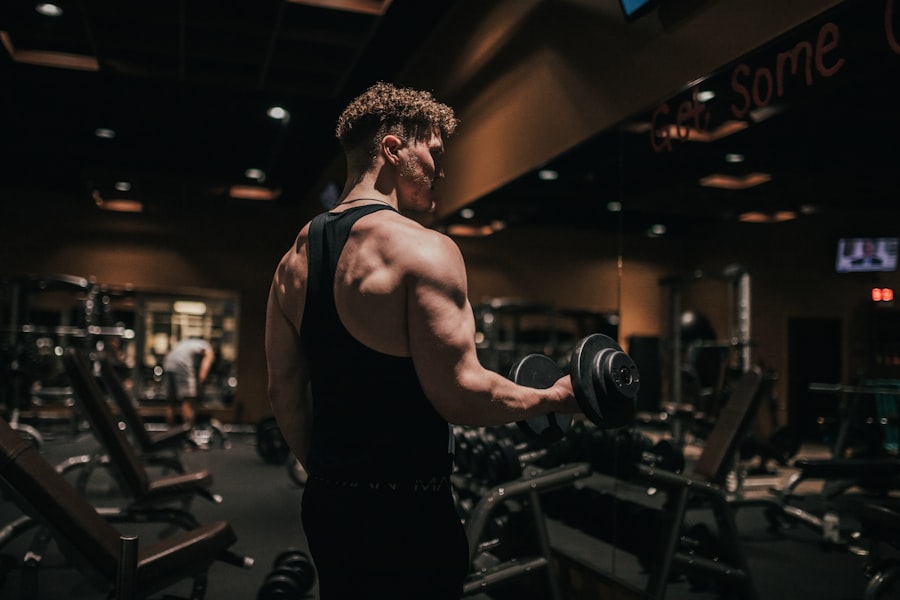
A balanced routine targets all major muscle groups. Include compound exercises. These work multiple muscles at once. They are very efficient.
Examples include squats, deadlifts, bench presses, overhead presses. These mimic natural movements. They build functional strength.
Incorporate isolation exercises too. Bicep curls, tricep extensions. These target specific muscles. They help refine your physique.
Vary your routine to prevent plateaus. Muscles adapt over time. Change exercises, sets, reps, or rest times. Keep your body guessing.
Strength Training Principles: Progressive Overload
Progressive overload is key. To grow, muscles need increasing challenge. Gradually increase weight or reps. You could also increase sets.
This doesn’t mean always lifting heavier. You can reduce rest times. You can improve your form. You can increase time under tension.
Track your workouts. A notebook or app can help. Record weights, reps, and sets. See your progress over time. This keeps you motivated.
If you lifted 100 lbs for 8 reps last week, aim for 9 reps this week. Or 105 lbs for 8 reps. Small, consistent increases lead to big results.
Incorporating Cardio and Flexibility
Cardio is important for heart health. It improves endurance. Aim for moderate intensity cardio. 20-30 minutes, 3-4 times per week.
Walking, swimming, cycling are good options. Choose something you enjoy. This makes it easier to stick with it.
Flexibility improves range of motion. It helps prevent injury. Incorporate dynamic stretches before workouts. Static stretches after.
Yoga or Pilates can enhance flexibility. They also build core strength. A mobile body is a resilient body.
The Mental Game: Mindset and Consistency
| Metrics | Results |
|---|---|
| Body Fat Percentage | 12% |
| Muscle Mass | 80 kg |
| Bench Press Max | 120 kg |
| Squat Max | 150 kg |
| Deadlift Max | 160 kg |
Bodybuilding is a journey, not a destination. Consistency is more important than intensity. Small, regular efforts yield results.
Believe in your ability to change. Your age does not define your potential. Many men over 50 achieve incredible transformations.
Set realistic goals. Don’t compare yourself to others. Focus on your own progress. Celebrate small victories.
Whether it’s lifting a heavier weight or walking farther. These small wins build momentum. They reinforce positive habits.
Overcoming Plateaus and Maintaining Motivation
Plateaus will happen. Everyone experiences them. Don’t get discouraged. They are a normal part of the process.
Re-evaluate your routine. Are you getting enough rest? Is your nutrition on point? Maybe you need to switch up your exercises.
Seek advice. Talk to your trainer. Read articles. Learn new techniques. Knowledge empowers you to break through barriers.
Remember your “why.” Why did you start this journey? To feel stronger? To play with your grandchildren? To improve your health? This purpose will fuel you.
Celebrating Progress and Embracing Longevity
Take progress photos. Measure your strength gains. Notice how your clothes fit. These objective markers show your achievements.
Don’t just focus on the scale. Muscle weighs more than fat. Your weight might stay the same or even increase. Look at body composition changes.
Enjoy the newfound energy. Appreciate your improved mobility. Savor the feeling of strength. These are priceless benefits.
Bodybuilding for men over 50 is more than just lifting. It’s about investing in a longer, healthier, and more active life. It’s a commitment to a better future.
FAQs
What is bodybuilding for men over 50?
Bodybuilding for men over 50 is a form of strength training and physical exercise that focuses on developing and maintaining muscle mass, strength, and overall physical fitness in men who are 50 years of age and older.
Why is discipline important in bodybuilding for men over 50?
Discipline is important in bodybuilding for men over 50 because it helps individuals stay consistent with their workout routines, nutrition plans, and recovery strategies. This consistency is crucial for achieving and maintaining muscle mass, strength, and overall physical fitness as the body ages.
What are some key principles of discipline in bodybuilding for men over 50?
Some key principles of discipline in bodybuilding for men over 50 include setting specific and achievable goals, following a structured workout program, adhering to a balanced and nutritious diet, prioritizing adequate rest and recovery, and staying committed to long-term progress.
How can men over 50 maintain discipline in their bodybuilding journey?
Men over 50 can maintain discipline in their bodybuilding journey by creating a consistent workout schedule, tracking their progress, seeking support from fitness professionals or peers, staying informed about proper nutrition and recovery techniques, and staying motivated through positive reinforcement and goal setting.
What are the potential benefits of disciplined bodybuilding for men over 50?
The potential benefits of disciplined bodybuilding for men over 50 include improved muscle mass and strength, enhanced bone density, better metabolic health, reduced risk of age-related muscle loss and frailty, improved mental well-being, and a higher quality of life as they age.