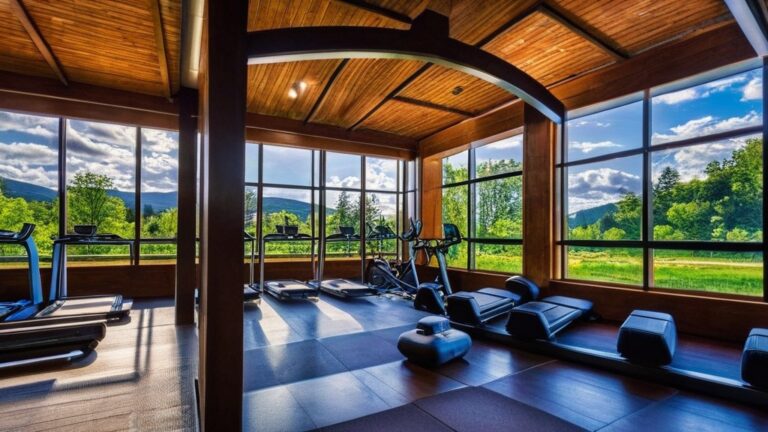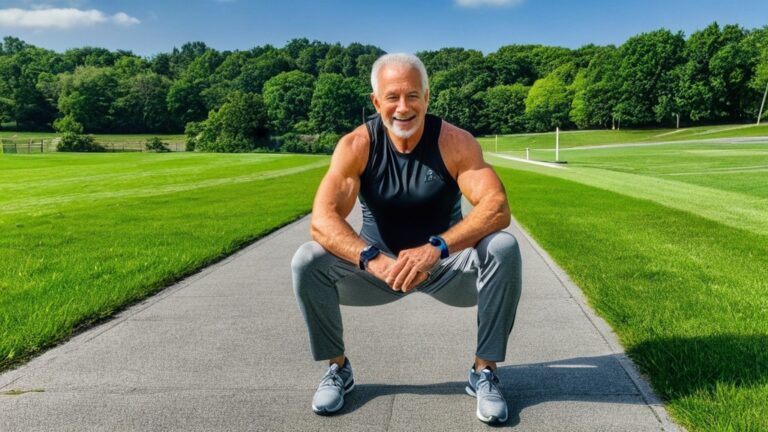

You push your limits. You lift heavy. You feel strong. But does this strength truly extend beyond the gym’s walls? Discover how to build lasting confidence and power that transforms your everyday life.
Weight training builds physical power. It also builds mental fortitude. This dual benefit extends far into your life. It shapes how you approach challenges and perceive your capabilities. Think of it as a sturdy foundation, supporting everything else you do.
The Confidence Compound Effect
Every workout is an investment. Each session adds to your self-assurance. You learn to trust your body’s growing strength. This translates directly to tackling new tasks. You might feel more ready to speak up in meetings or try a new hobby. This ripple effect builds undeniable confidence.
Building Resilience, One Rep at a Time
Facing a tough set teaches you perseverance. You learn to push through discomfort. This mental toughness forms a powerful shield. It helps you navigate life’s inevitable setbacks. A challenging workout mirrors a difficult work project. You know you can endure and find a way through.
Fuelling Your Functional Longevity
The goal of exercise shifts over time. It moves beyond aesthetics to function. We want to move well and feel good throughout our lives. This is where functional strength truly shines. It prepares your body for daily demands.
Everyday Activities Made Easier
Imagine carrying groceries without strain. Picture playing with children or grandchildren. Functional strength makes these actions effortless. It improves your balance and stability. This reduces the risk of falls as you age. It keeps you independent and active.
Hybrid Training: The Best of Both Worlds
Combining strength with other fitness styles is smart. It creates a well-rounded physique. Strength training provides power. Cardio improves endurance. Flexibility enhances mobility. This blend creates a robust system. It prepares you for a variety of physical demands.
The Mind-Muscle Connection: More Than Just a Feeling

Connecting your mind to your muscles goes deeper. It is about conscious control. You actively engage the target muscles. This maximizes your training efficiency. It also enhances your body awareness.
Precision Over Power (Sometimes)
Focusing on the mind-muscle connection refines your form. You perform exercises with greater precision. This protects you from injury. It ensures the intended muscles are working. It makes every movement more effective.
Enhancing Your Training Outcomes
When you feel your muscles working, you get more from every rep. This can lead to faster progress. It also deepens your understanding of your body. You learn what feels right and what doesn’t. This knowledge is invaluable for long-term health.
The Psychology of Strength: A Powerful Ally

Your mindset is your most crucial training tool. Discipline and structure are key. Genetics play a role, but mindset matters more. A strong mental game sustains progress.
Discipline: The Engine of Progress
Consistency leads to results. Showing up, even when you do not feel like it, builds discipline. This mental muscle needs regular exercise. It fuels your commitment beyond fleeting motivation. You become someone who follows through.
Longevity and Sustained Strength
Focusing on longevity means training for the long haul. It is about building sustainable habits. This approach prioritizes health over quick fixes. You build a resilient body and mind for years to come.
Actionable Steps for Everyday Strength
| Metric | Description | Example Measurement | Impact on Daily Life |
|---|---|---|---|
| Posture Improvement | Ability to maintain upright and confident posture | Percentage of time standing/sitting with correct posture (e.g., 85%) | Enhances presence and reduces back pain |
| Grip Strength | Strength of hand and forearm muscles | Handgrip dynamometer reading (e.g., 45 kg) | Improves ability to carry objects and perform manual tasks |
| Confidence Level | Self-reported confidence in social and professional settings | Scale from 1 to 10 (e.g., 8) | Boosts communication and leadership skills |
| Endurance | Ability to sustain physical activity without fatigue | Time to complete a 5K walk/run (e.g., 30 minutes) | Supports active lifestyle and reduces stress |
| Balance and Coordination | Ability to maintain stability and control movements | Time standing on one leg (e.g., 45 seconds) | Prevents falls and improves agility |
| Stress Resilience | Ability to manage stress effectively | Self-reported stress level on a scale of 1-10 (e.g., 3) | Enhances mental clarity and emotional stability |
Integrating strength into your life is achievable. Start with a solid onboarding process. Even small changes yield big rewards. You have the power to build this strength.
Finding Your Fitness Community
Gyms offer more than equipment, they offer support. Many facilities provide beginner-friendly introductions. This can ease your entry into strength training. Connecting with others can boost your motivation. Shared journeys often feel less daunting.
Structured Support for Success
Consider programs that offer clear guidance. They can help you establish routines. These can be gym-based or online. Look for options that prioritize safety and proper technique. This builds a strong foundation for your progress.
Small Wins, Big Momentum
Celebrate every step forward. Completed a challenging set? Acknowledge it. Showed up for a workout? Give yourself credit. These affirmations build positive momentum. They reinforce your commitment to progress.
Listening to Your Body
Pay attention to fatigue and soreness. Rest is crucial for recovery. Pushing too hard can lead to injury. Learn to distinguish between good effort and overexertion. Your body communicates its needs. Learn to hear them.
Continuous Learning and Adaptation
Fitness is a journey, not a destination. Keep learning about new training methods. Adapt your routine as your body changes. This ensures continued progress and engagement. Stay curious and explore new possibilities. Your potential for strength is vast. It extends far beyond the gym.
FAQs
What does confidence outside the gym mean?
Confidence outside the gym refers to the self-assurance and positive mindset individuals carry into their daily lives, beyond their physical workouts. It involves feeling comfortable in social situations, making decisions, and handling challenges with a strong sense of self-belief.
How can strength gained in the gym translate to everyday life?
Strength developed in the gym can improve posture, endurance, and overall physical health, which contributes to better energy levels and resilience. This physical strength often boosts mental toughness, helping individuals face stress and obstacles more effectively in daily activities.
What are some ways to build confidence outside the gym?
Building confidence outside the gym can include setting and achieving personal goals, practicing positive self-talk, engaging in social activities, and developing skills or hobbies. Consistent physical exercise also supports mental well-being, which enhances overall confidence.
Can regular exercise impact mental health and confidence?
Yes, regular exercise has been shown to reduce symptoms of anxiety and depression, improve mood, and increase self-esteem. These mental health benefits contribute significantly to greater confidence in various aspects of life outside the gym.
Is it important to balance physical strength with emotional strength?
Absolutely. While physical strength improves health and appearance, emotional strength helps manage stress, build relationships, and maintain motivation. A balanced approach to both physical and emotional development leads to a more confident and resilient individual.