
Your well-being journey shouldn’t hit pause when you’re miles away from home. Whether you’re navigating bustling city streets for work or exploring serene landscapes for leisure, maintaining your training momentum keeps you energized and thriving. Let’s discover how to make your travels support, not sabotage, your health goals.
Being away from your usual routine presents unique challenges for training. Familiar gym equipment is often unavailable. Your usual diet might be hard to replicate. Many travelers find their fitness goals stall. This can feel like a setback. However, with smart strategies, you can keep your momentum. Think of your body as a finely tuned instrument. It needs consistent care, regardless of location.
Packing Smart for Peak Performance
Your luggage holds keys to your success. Consider bringing essential training gear. Resistance bands are light and versatile. A jump rope takes up little space. Comfortable, supportive shoes are non-negotiable. They enable impromptu walks or runs. These items empower you to train anywhere. They are an investment in your health.
Nutrition on the Move
Eating well while traveling requires planning. Explore local markets for fresh produce. Pack non-perishable snacks like nuts or dried fruit. Always carry a reusable water bottle. Staying hydrated is crucial for energy. It also aids muscle recovery. Look for restaurants offering lean proteins and vegetables. This keeps your body fueled effectively.
Embracing the Power of AI in Travel
The way we plan trips is changing rapidly. Artificial intelligence now plays a significant role. Over half of business travelers use AI for their itineraries. AI helps with rebooking flights. It also manages expense reports efficiently. Tools like Ramp and Navan predict AI agents approving claims soon. This technology streamlines travel logistics, freeing up your mental energy.
AI for Smarter Itineraries
AI can now build personalized travel plans. It considers your preferences and past trips. This means less time spent searching for flights and hotels. AI tools can adapt plans in real-time. Imagine a flight delay; AI can automatically find alternatives. This is a game-changer for busy professionals. It ensures your journey remains smooth.
AI and Expense Management
Managing expenses often feels tedious. Generative AI is making this easier. Platforms can now help with planning and negotiation. They can also personalize travel experiences. This technology marks a new era. It goes beyond simple web or mobile booking. Expect AI agents to manage more of your travel needs. This includes financial aspects like claim approvals.
Personalized Journeys: Travel for Your Passions

Travel is becoming deeply personal. People now curate trips around their specific interests. This trend moves beyond generic sightseeing. It’s about experiences that resonate with you. Think of “Glowmads” who travel for beauty rituals. They seek out spas and wellness retreats.
The Rise of “Shelf Discovery” Travelers
Others focus on edible adventures. These “Shelf Discovery” enthusiasts explore local food markets. They try regional delicacies and unique ingredients. Their journeys are guided by culinary exploration. They want to taste the world authentically.
Alpine Escapes and Self-Expression
The allure of mountains draws “Altitude Shift” travelers. They seek the serenity and challenge of alpine regions. This allows for a distinct change of pace and environment. Travel also becomes a form of self-expression. People craft trips that reflect their unique identities.
The “Whycation” Trend: Intentional Travel
A significant shift is happening in travel motivations. People are traveling with clearer intentions. This “Whycation” trend is driven by specific needs. One common motive is reconnection. Travelers seek to strengthen bonds with loved ones. This includes multi-generational family trips. These are called “Generation Permutations” or “Inheritourism.” They involve shared experiences across age groups.
The Search for Serenity: “Hushpitality”
Many seek peace and quiet. The “Hushpitality” trend caters to this desire. Travelers look for destinations offering true tranquility. This can be remote natural settings or quiet retreats. They want to escape the noise of daily life. Home comforts are also a strong pull. Travelers might seek accommodations that feel like a home away from home.
Bleisure: Blending Business and Leisure
For business travelers, the lines are blurring. “Bleisure” trips combine work with vacation. This allows for professional obligations and personal enjoyment. It maximizes the benefit of being away from home. This integrated approach is becoming more common. It offers a richer travel experience.
Innovative Travel Trends on the Horizon
| Metric | Description | Value | Unit |
|---|---|---|---|
| Number of Training Sessions | Total training sessions conducted during travel periods | 45 | Sessions |
| Average Training Duration | Average length of each training session | 3 | Hours |
| Travel Days per Month | Average number of days spent traveling monthly | 12 | Days |
| Training Completion Rate | Percentage of participants completing training while on the road | 87 | Percent |
| Employee Satisfaction Score | Average satisfaction rating for travel and training programs | 4.2 | Out of 5 |
| Cost Efficiency | Cost savings achieved by combining travel and training | 15 | Percent |
| Number of Locations Visited | Distinct locations where training was conducted during travel | 8 | Locations |
The future of travel promises even more personalization. By 2026, several shifts are anticipated. Multi-modal planning will become standard. This means seamlessly combining different transport options. Think planes, trains, and even ferries within one trip.
Pop Culture and Pet-First Escapes
Trips inspired by pop culture are gaining traction. Travelers might visit filming locations or themed events. Pet-first escapes are also emerging. These focus on travel experiences that include beloved pets. This caters to the growing trend of treating pets as family members.
Hyper-Personalized Stays
Accommodations will become intensely individualized. “Hyper-personalized stays” will offer tailored amenities. These cater to every specific need or whim. This level of customization enhances the feeling of being truly catered to.
“Bookbound” and “Family Miles”
The “Bookbound” trend sees travelers visiting places from literature. This combines a love for reading with exploration. “Family Miles” focuses on rewarding family travel. It emphasizes accumulating experiences and memories together. The “Destination Check-in” trend encourages deeper engagement with a place. This involves immersing oneself in the local culture. It’s more than just visiting; it’s about truly experiencing a destination.
Actionable Tips for Training on the Road
Maintaining your training momentum requires a proactive approach. Don’t let being away become an excuse. Let’s look at practical strategies you can implement.
Harnessing Bodyweight Training
You don’t need a gym to get a great workout. Bodyweight exercises use your own mass. Squats, push-ups, and lunges are effective. Planks build core strength. Jumping jacks elevate your heart rate. Many online resources offer bodyweight routines. Search for hotel room workouts. These require no equipment.
Maximizing Hotel Amenities
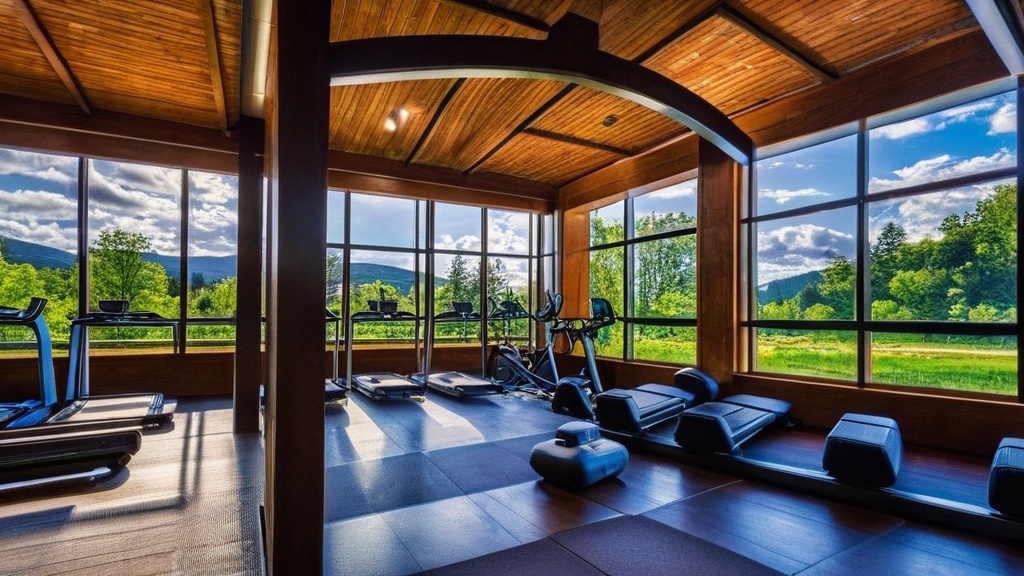
Many hotels offer fitness facilities. Even a basic gym can be useful. Use treadmills or stationary bikes. Explore any available resistance machines. Some hotels even have pools. Swimming is a fantastic full-body workout. Always check the hotel’s amenities before booking.
Staying Active During Downtime
Look for opportunities to move throughout the day. Take the stairs instead of the elevator. Go for a walk during breaks. Explore the city on foot. This combines sightseeing with exercise. Even short bursts of activity count. They contribute to your overall energy levels.
Nutrition Strategies for Sustained Energy
Proper nutrition fuels your body for training. It also helps you feel your best while traveling. This requires mindful food choices.
Smart Snacking on the Go
Carry healthy snacks to avoid unhealthy impulse buys. Nuts, seeds, and fruit are excellent choices. Portable protein bars can also be useful. Keep these in your bag for quick energy boosts. They prevent you from getting overly hungry.
Hydration is Key
Always carry a reusable water bottle. Sip water consistently throughout the day. Dehydration can lead to fatigue and poor performance. It can also masquerade as hunger. Aim for clear or pale yellow urine. This indicates good hydration levels.
Navigating Restaurant Menus Wisely
When dining out, make informed choices. Look for grilled or baked options. Prioritize lean proteins like chicken, fish, or tofu. Load up on vegetables and salads. Ask for dressings and sauces on the side. This allows you to control portion sizes.
Incorporating Movement into Your Travel Day
Your travel days themselves offer training opportunities. Every moment can be an chance to move.
Airport and Transit Workouts
Airports can be surprisingly good places to move. Walk briskly through terminals. Use stairs when available. If you have a layover, try a quick walk outside. On trains or buses, stand up and stretch regularly. Move your legs and arms. This combats stiffness from sitting.
Exploring Destinations Actively
When you arrive, explore your surroundings on foot. This is often more rewarding than taking taxis. Discover hidden parts of the city. Engage with the local environment directly. Walking provides both exercise and cultural immersion.
Post-Arrival Recovery Strategies
After a long travel day, prioritize recovery. Gentle stretching can ease muscle soreness. A short walk can promote circulation. Ensure you get adequate rest. This helps your body recover. It prepares you for more training.
Building a Sustainable Travel Training Routine
Consistency is the cornerstone of any training program. The goal is maintaining momentum, not achieving peak performance. Make your travel training sustainable.
Setting Realistic Expectations
Don’t expect to maintain your home routine exactly. Adjust your goals based on your circumstances. Focus on movement and healthy choices. Celebrate small victories. Every active choice matters for your well-being.
Finding Your Travel Training Style
Experiment with different activities. Some might prefer hotel gym workouts. Others will enjoy outdoor exploration. Find what you enjoy most. This makes it easier to stick with. Your training should feel like a reward, not a chore.
Leveraging Technology for Support
Use fitness apps to track your activity. Many offer GPS tracking for walks and runs. Some provide guided workouts. AI-powered travel tools can also help. They can suggest nearby parks or activities. Technology can be a powerful ally.
The Mind-Body Connection: Travel and Well-being
Travel impacts more than just your physical health. It profoundly affects your mental state. Maintaining training supports both.
Stress Reduction Through Movement
Physical activity is a potent stress reliever. Traveling can be stressful. Regular workouts release endorphins. These natural mood boosters combat anxiety. They help you feel more calm and centered.
Sharpening Mental Acuity
Consistent training enhances cognitive function. This is especially important when traveling. It helps with focus and problem-solving. You will navigate new environments more effectively. You will process information better. This makes your trip more enjoyable and productive.
Enhancing Sleep Quality
Physical activity promotes better sleep. Traveling can disrupt your sleep patterns. A good workout can help regulate your circadian rhythm. Aim for evening activities if possible. This can signal your body to rest. Quality sleep is crucial for recovery and well-being.
Embracing the Future of Travel and Training
The travel landscape is evolving rapidly. AI, personalized experiences, and new trends are shaping our journeys. Your approach to well-being on the road should evolve too.
Adapting to AI-Driven Travel
As AI tools become more sophisticated, use them. Let them handle the logistics. This frees you to focus on your health. AI can suggest fitness-friendly routes. It can even help book wellness activities. Embrace these advancements.
Personalizing Your Health Journey
Your travel training should align with your personal passions. If you love food, focus on healthy culinary exploration. If you seek peace, prioritize serene active adventures. Make your training a reflection of ‘you’. This makes it intrinsically motivating.
The Long-Term Benefits of Travel Fitness
Maintaining your training while traveling yields lasting rewards. You return home feeling energized, not depleted. You build resilience. Your commitment to health becomes a constant. Travel becomes a vehicle for continued personal growth. It supports a vibrant and healthy life, wherever you wander.
FAQs
What are the benefits of combining travel with training?
Combining travel with training allows individuals to gain new skills and knowledge while experiencing different cultures and environments. It can enhance learning by providing real-world contexts, increase motivation, and help build global networks.
How can professionals maintain productivity during business travel?
Professionals can maintain productivity by planning their schedules carefully, using travel time for reading or online courses, setting clear goals for training sessions, and ensuring they have access to necessary technology and resources while on the road.
What types of training are most effective during travel?
Effective training during travel includes workshops, seminars, online courses, and hands-on sessions that can be adapted to different locations. Microlearning and mobile learning formats are particularly suitable for busy travel schedules.
How can companies support employees who travel for training?
Companies can support traveling employees by providing flexible schedules, covering travel expenses, offering access to digital learning platforms, and encouraging a balance between work, training, and rest to prevent burnout.
What challenges might arise when training on the road, and how can they be addressed?
Challenges include time zone differences, limited internet access, and fatigue. These can be addressed by planning training sessions around local time zones, ensuring reliable connectivity, scheduling breaks, and prioritizing essential training content.