
Testosterone Replacement Therapy (TRT) can be a significant treatment for men over 50 experiencing low testosterone. Strength training plays a crucial role in maximizing the benefits of TRT. This guide explores evidence-based strategies for men over 50 combining TRT with strength training.
Understanding Testosterone and Aging
Testosterone levels naturally decline with age. This decline can lead to various symptoms. You might experience reduced muscle mass and strength. Fatigue and decreased motivation are also common.
Low testosterone can also impact bone density. It can affect your mood and overall well-being. TRT aims to restore testosterone to healthier levels.
TRT is not a magic bullet. It works best when combined with a healthy lifestyle. This includes a balanced diet and regular exercise. Strength training is particularly important.
The Power of Resistance Training
Resistance training offers numerous benefits for men over 50. It helps combat age-related muscle loss, known as sarcopenia. Sarcopenia contributes to weakness and reduced mobility.
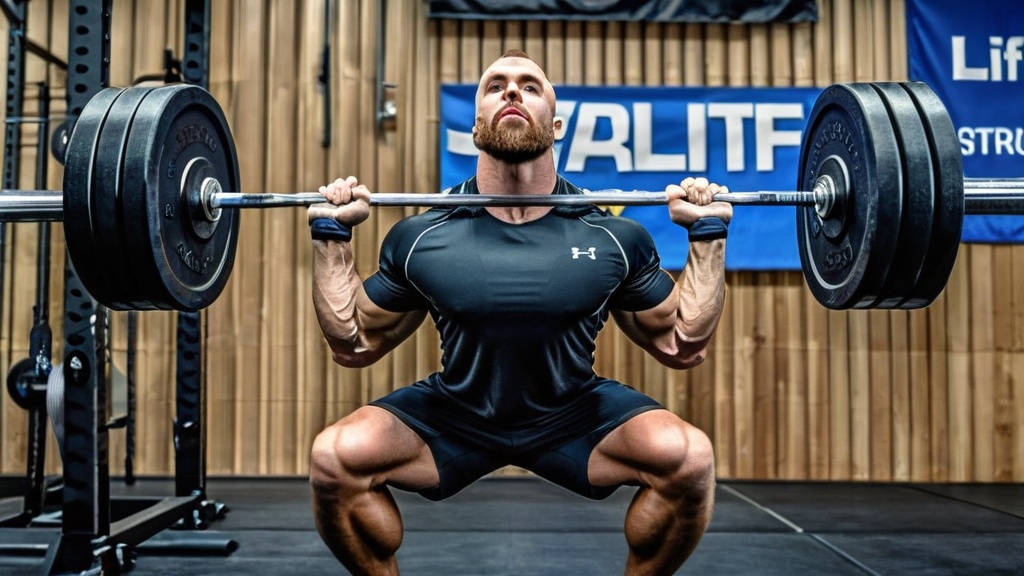
For men over 60, resistance training with compound movements like squats and deadlifts boosts testosterone. It also improves balance and mobility. Just one hour of weekly training can significantly reduce heart disease risk.
Regular lifting builds and preserves muscle mass. This is vital for maintaining functional independence. Stronger muscles support joints and improve posture.
High-Intensity Interval Training (HIIT) Benefits
HIIT involves short bursts of intense exercise. These are followed by brief recovery periods. This training method yields fast gains.
Previously sedentary men over 60 showed significant testosterone increases with HIIT. They saw 16-17% increases (37-45 ng/dL). These gains were sustained with minimal weekly maintenance after initial training.
HIIT can be time-efficient. It may offer cardiovascular benefits. Always consult your doctor before starting any new exercise regimen.
TRT and Muscle Growth
TRT enhances muscle growth and recovery for men over 50. It can reverse sarcopenia. This therapy boosts strength and endurance.
TRT also contributes to increased lean mass. It can improve metabolism. Pairing TRT with training and diet often increases motivation for exercise.
For men undergoing TRT, muscle gains typically appear within 3-6 months. This happens when combined with consistent strength training. Individual responses can vary.
Exercise Strategies for Maximum Impact
Tailor your strength training to your individual needs and capabilities. Focus on progressive overload. This means gradually increasing resistance or repetitions over time.
Aim for two strength training sessions per week. Each session can last 30-40 minutes. This frequency naturally raises testosterone and growth hormone in older men.
Include compound movements that work multiple muscle groups. Examples include squats, deadlifts, presses, and rows. These movements are efficient and effective.
Nutritional Considerations
Proper nutrition supports muscle growth and recovery. Ensure adequate protein intake. Protein is essential for muscle repair and synthesis.
Foods rich in healthy fats can also support hormone production. These include avocados, nuts, and olive oil. Consult a nutritionist for personalized dietary advice.
Stay well-hydrated throughout the day. Water is crucial for metabolic processes and cellular function. Proper hydration supports overall health.
The Role of Body Composition
Weight loss can positively impact testosterone levels. Even a modest loss of 15-20 pounds can boost testosterone. This emphasizes the importance of body composition.
Strength training also helps reduce body fat. It increases muscle mass. This combination improves metabolic health.
Maintaining a healthy weight supports overall well-being. It can reduce the risk of many chronic diseases. It also enhances the benefits of TRT.
Advances in TRT
New oral TRT options are emerging. KYZATREX® is one such development. It restores testosterone in a significant percentage of men.
KYZATREX® doubles free testosterone without liver issues. Muscle and strength gains typically occur within 3-6 months with this therapy. These advances offer more treatment choices.
Always discuss potential TRT options with your healthcare provider. They can determine the best course of action for you. Follow their guidance carefully.
Cardiovascular Health and Exercise
Exercise significantly benefits cardiovascular health. Research indicates combining testosterone therapy with exercise does not offer added vascular benefits compared to exercise alone. This applies to middle-aged and older men with low-normal testosterone.
This finding does not diminish exercise’s importance. Exercise remains a cornerstone of heart health. It reduces the risk of heart disease independently.
Continue regular cardiovascular exercise. Combine it with your strength training. This approach supports overall health and longevity.
Safety and Regulatory Context
TRT is a regulated medical treatment. The FDA (U.S. Food and Drug Administration) approves TRT medications. These medications treat low testosterone due to specific medical conditions.
TRT carries potential risks and benefits. Discuss these thoroughly with your doctor. They will monitor your hormone levels and overall health.
Do not self-prescribe TRT. Always seek professional medical advice. Adhere to prescribed dosages and follow-up appointments.
Conclusion
Strength training is an invaluable tool for men over 50 on TRT. It maximizes the benefits of hormone therapy. It also improves overall health and quality of life.
Combine consistent strength training with proper nutrition. Maintain a healthy weight. These strategies work synergistically with TRT.
Remember, consistency is key. Consult your doctor for personalized advice. This ensures a safe and effective approach to your health journey.
FAQs
What is TRT?
TRT stands for Testosterone Replacement Therapy, which is a medical treatment used to increase the levels of testosterone in men who have a deficiency.
What are the benefits of TRT for men over 50 lifters?
TRT can help men over 50 lifters by increasing muscle mass, strength, and bone density. It can also improve energy levels, mood, and overall quality of life.
Are there any risks or side effects associated with TRT?
Some potential risks and side effects of TRT include acne, fluid retention, breast enlargement, and an increased risk of blood clots and heart disease. It’s important for men to discuss these risks with their healthcare provider before starting TRT.
How does TRT impact lifting and exercise performance in men over 50?
TRT can improve muscle strength and endurance, making it easier for men over 50 to engage in lifting and exercise. It can also aid in recovery and help prevent muscle loss associated with aging.
Is TRT suitable for all men over 50 lifters?
TRT is not suitable for all men over 50 lifters. It is important for individuals to undergo thorough medical evaluation and consultation with a healthcare provider to determine if TRT is appropriate for their specific health needs and goals.