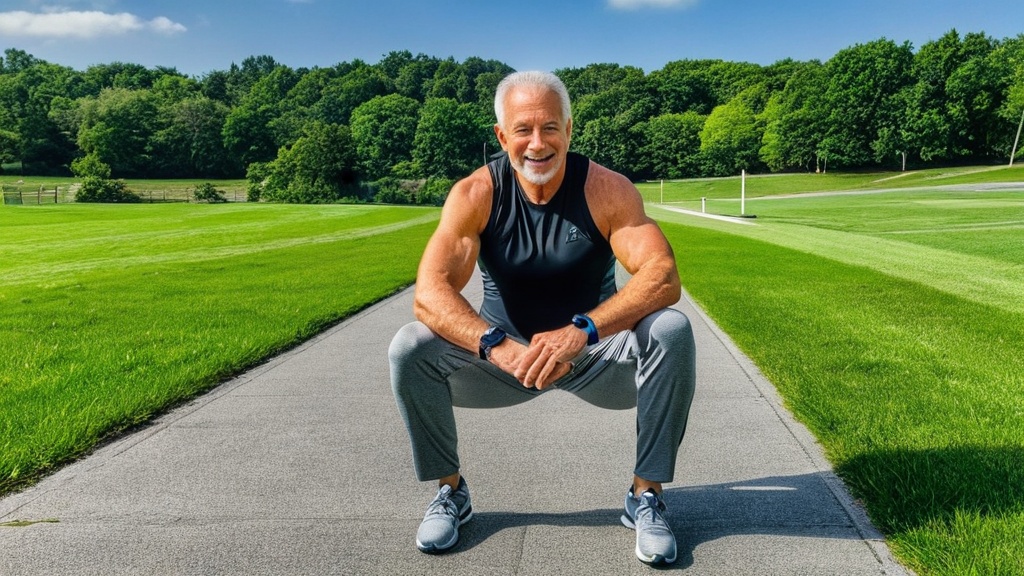

Imagine a spring in your step, a renewed energy to embrace each day. This isn’t just wishful thinking; it’s the tangible reward of fitness tailored for your vibrant 50s and beyond. It’s about unlocking a stronger, healthier, and more engaged you.
Your body is a magnificent machine. After 50, it simply needs a slightly different kind of maintenance. Think of it like a classic car; it still performs beautifully, but it benefits from specialized care and high-quality fuel. Staying active is key to keeping all your systems running smoothly.
Understanding Age-Related Changes
Muscle mass naturally declines as we age. This process, called sarcopenia, accelerates after 40 and becomes more noticeable in your 50s. Stanford Medicine highlights that resistance training can effectively combat this loss. Losing muscle can affect your strength and metabolism.
The Muscle-Bone Connection
Strong muscles support your bones. This is crucial for preventing falls and fractures. When your muscles are toned, they act like shock absorbers for your joints. This protects them from everyday wear and tear.
Building Strength for Longevity
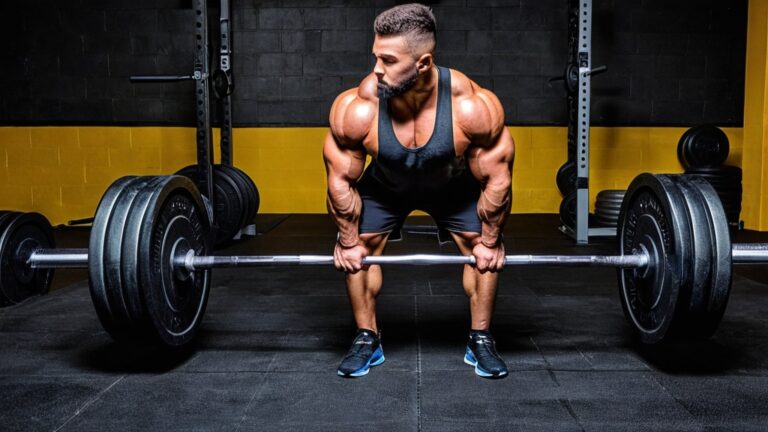
Strength training is your ally in maintaining independence and vigor. It’s not about becoming a bodybuilder; it’s about keeping your body resilient. This type of exercise helps you perform daily tasks with ease.
The Power of Resistance Training
Stanford Medicine recommends resistance training twice a week. This helps counteract the annual 1% muscle loss. It’s a vital strategy for preserving function. You can use weights, resistance bands, or even your own body weight.
- Bodyweight Squats: These simple squats build leg and glute strength.
- Push-ups (modified): Start on your knees if needed. This strengthens your chest and arms.
- Lunges: These improve leg strength and balance.
How to Start Safely
Begin with lighter weights or fewer repetitions. Focus on proper form to prevent injury. Gradually increase the intensity as you get stronger. A qualified trainer can guide your initial workouts.
The Cardio Advantage: Fueling Your Heart
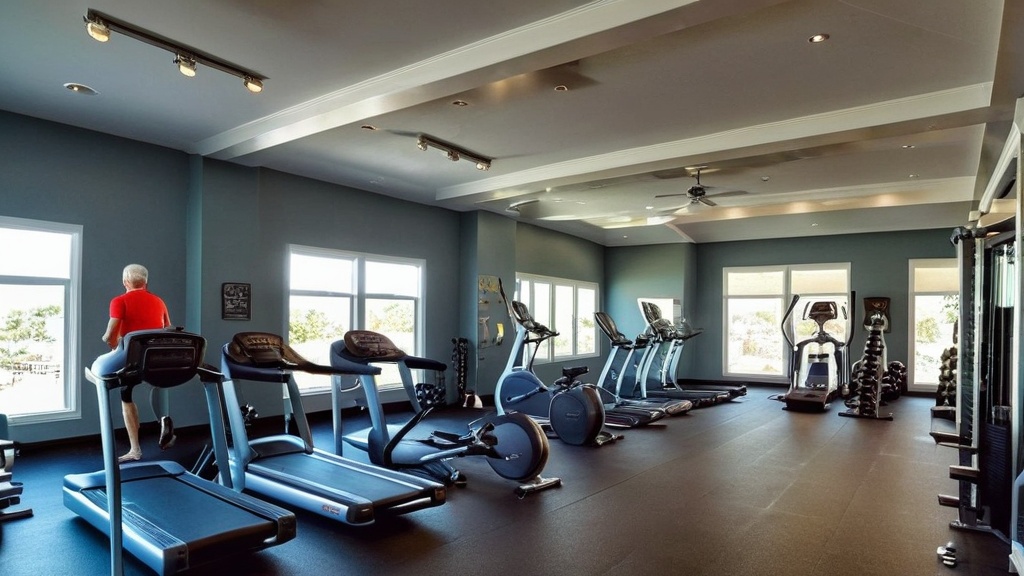
Cardiovascular exercise keeps your heart healthy and improves your stamina. It’s like giving your engine a regular tune-up. Regular aerobic activity boosts circulation and energy levels.
Aiming for 150 Minutes
Public health guidelines suggest 150 minutes of moderate-intensity cardio each week. This can be broken down into shorter sessions. Even 30 minutes, five times a week, makes a significant difference.
Fun Ways to Get Moving
Walking is an excellent choice for cardiovascular fitness. Fitz Koehler emphasizes its importance for reversing age-related decline. The article “Walking Exercises” suggests daily moves to build leg strength.
- Brisk Walking: Aim for a pace where you can still talk but not sing.
- Cycling: A low-impact option that is great for your heart.
- Swimming: Wonderful for joint health and a full-body workout.
Listening to Your Body
Choose activities you genuinely enjoy. This makes consistency much easier. If you feel pain, stop and rest. It’s important to avoid overexertion.
Flexibility and Balance: The Unsung Heroes
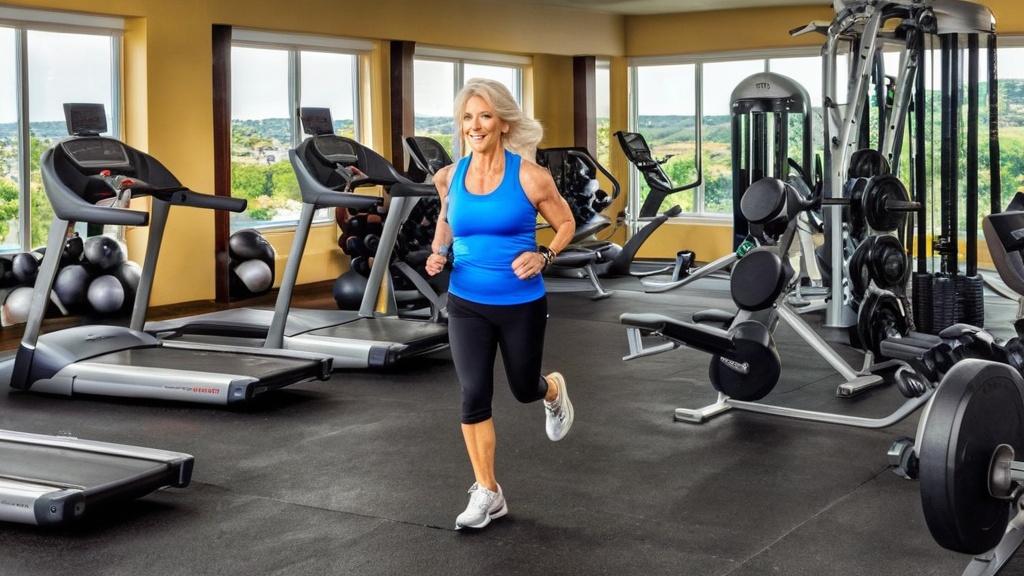
As we age, we can lose some flexibility. This can limit our range of motion. Balance is also critical for preventing falls. These elements are vital for everyday movement.
Gentle Stretching Routines
Incorporate stretching after your workouts. Hold stretches for 20-30 seconds. Focus on major muscle groups. This helps prevent stiffness and injury.
- Hamstring Stretch: Sit on the floor with one leg extended. Reach towards your toes.
- Quad Stretch: Stand and gently pull one heel towards your glutes.
- Shoulder Rolls: Move your shoulders forward and backward in circles.
Standing Tall with Balance Exercises
Simple balance exercises can make a big impact. Stanford Medicine and Fitz Koehler both highlight their benefits. These can be done daily.
- Single-Leg Stands: Stand on one leg for 30 seconds. Use a wall for support if needed.
- Heel-to-Toe Walk: Walk with the heel of one foot touching the toe of the other.
Nourishing Your Body for Peak Performance
| Metric | Description | Recommended Target | Benefits After 50 |
|---|---|---|---|
| Weekly Exercise Duration | Total minutes of moderate to vigorous physical activity per week | 150 minutes | Improves cardiovascular health, boosts energy, and supports weight management |
| Strength Training Sessions | Number of sessions focused on muscle strengthening per week | 2-3 sessions | Maintains muscle mass, improves bone density, and enhances balance |
| Flexibility Exercises | Minutes spent on stretching or yoga per week | At least 2 sessions per week | Increases range of motion, reduces injury risk, and improves posture |
| Body Mass Index (BMI) | Weight to height ratio indicating healthy body weight | 18.5 – 24.9 | Reduces risk of chronic diseases and supports mobility |
| Resting Heart Rate | Beats per minute when at rest | 60-80 bpm | Indicator of cardiovascular fitness and heart health |
| Daily Steps | Number of steps taken per day | 7,000 – 10,000 steps | Promotes overall activity, supports weight control, and improves mood |
| Sleep Duration | Hours of quality sleep per night | 7-8 hours | Enhances recovery, mental clarity, and hormonal balance |
What you eat is just as important as how you move. Proper nutrition fuels your workouts and aids recovery. It’s the quality fuel your body needs.
Balanced Nutrition Insights
Fitz Koehler’s advice includes a focus on fruits, vegetables, lean protein, and whole grains. These provide essential vitamins and minerals. They also help manage weight. The guide “Revitalize Your Metabolism” offers strategies specifically for sustainable shifts after 50.
Protein for Muscle Repair
Protein is vital for repairing and building muscle tissue. Include lean protein sources with every meal. This supports your strength training efforts. Think chicken, fish, beans, and tofu.
Hydration is Key
Drinking enough water is fundamental. It aids digestion and muscle function. Carry a water bottle with you. Sip throughout the day.
The Essential Role of Rest and Recovery
Your body rebuilds and repairs itself during sleep. Fitz Koehler emphasizes good sleep hygiene. Adequate rest is not a luxury; it’s a necessity. It allows your muscles to recover from exercise.
Prioritizing Quality Sleep
Aim for 7-9 hours of quality sleep each night. Create a relaxing bedtime routine. Avoid screens before bed. A consistent sleep schedule helps regulate your body’s natural rhythms.
Active Recovery
On rest days, light activity can be beneficial. Gentle walks or stretching promotes blood flow. This can help reduce muscle soreness. It keeps your body gently engaged.
Embracing a Revitalized Lifestyle
Fitness after 50 is not about limitations; it’s about possibilities. It’s a journey that empowers you to live more fully. By embracing these principles, you can achieve a remarkable level of vitality.
Sustainable Fitness Practices
The focus is on creating habits that last. Personalized fitness plans, as mentioned in the context of women over 50, are key for sustainable results. Find what works for your schedule and preferences. Make fitness a natural part of your week.
The Mind-Body Connection
Your mental well-being is closely linked to your physical health. Regular exercise can reduce stress and improve mood. It contributes to an overall sense of well-being. This holistic approach is what truly revitalizes you.
FAQs
1. Is it safe to start a new fitness routine after the age of 50?
Yes, it is generally safe to start a new fitness routine after 50, but it is important to consult with a healthcare provider before beginning any new exercise program, especially if you have pre-existing health conditions.
2. What types of exercises are recommended for people over 50?
Recommended exercises for those over 50 include a mix of cardiovascular activities (like walking, swimming, or cycling), strength training to maintain muscle mass, flexibility exercises such as yoga or stretching, and balance exercises to reduce the risk of falls.
3. How can fitness help in reinventing oneself after 50?
Fitness can improve physical health, boost mental well-being, increase energy levels, and enhance self-confidence, all of which contribute to a renewed sense of purpose and identity after 50.
4. How often should someone over 50 exercise to see benefits?
The general guideline is to aim for at least 150 minutes of moderate-intensity aerobic activity per week, combined with strength training exercises at least two days per week, but individual needs may vary.
5. Are there any special considerations for nutrition when starting fitness after 50?
Yes, nutrition becomes increasingly important; a balanced diet rich in protein, vitamins, and minerals supports muscle repair and overall health. Staying hydrated and possibly consulting a nutritionist can help optimize fitness results.