

As men age, maintaining mobility becomes increasingly important. Mobility affects daily activities, overall health, and quality of life. For men over 50, staying active can prevent many age-related issues.
Understanding mobility helps men make informed choices about their health. This article explores the significance of mobility, its limitations, and practical exercises to enhance it.
Key Takeaways
- Mobility is crucial for men over 50 to maintain independence and quality of life.
- Understanding and addressing the body’s natural mobility limitations can prevent injuries.
- Incorporating mobility drills, warm-ups, strength training, and stretching enhances overall movement.
- Balance and stability exercises are key to reducing fall risk and improving coordination.
- Professional guidance can help tailor mobility routines and address specific concerns effectively.
Importance of Mobility for Aging Men
Mobility plays a crucial role in maintaining independence. It allows men to perform daily tasks without assistance. Good mobility also contributes to physical fitness and mental well-being.
Aging men often face challenges like joint pain and decreased strength. These issues can limit mobility and lead to a sedentary lifestyle. Staying mobile helps combat these challenges and promotes a healthier life.
Understanding the Body’s Mobility Limitations

As men age, their bodies undergo various changes. Muscles may weaken, joints can stiffen, and flexibility often decreases. Understanding these limitations is essential for developing effective mobility strategies.
Common issues include arthritis, muscle atrophy, and balance problems. Recognizing these challenges allows men to address them proactively. Awareness of one’s body can lead to better mobility management.
Essential Mobility Drills for Men Over 50
Incorporating mobility drills into a routine can significantly improve movement. Simple exercises like leg swings and arm circles enhance joint flexibility. These drills can be done at home or in a gym setting.
Men should focus on full-body movements that engage multiple joints. Exercises like hip openers and torso twists promote overall mobility. Regular practice of these drills can lead to noticeable improvements.
Warm-Up Exercises to Improve Mobility
| Drill Name | Target Area | Duration/Reps | Frequency | Benefits |
|---|---|---|---|---|
| Hip Circles | Hip joints | 10 circles each direction | Daily | Improves hip flexibility and reduces stiffness |
| Cat-Cow Stretch | Spine and back | 10 slow repetitions | 3-4 times per week | Enhances spinal mobility and relieves back tension |
| Shoulder Rolls | Shoulders | 15 rolls forward and backward | Daily | Increases shoulder joint mobility and reduces stiffness |
| Ankle Circles | Ankles | 10 circles each direction per foot | Daily | Improves ankle flexibility and balance |
| Thoracic Spine Rotation | Upper back | 10 reps each side | 3 times per week | Enhances upper back mobility and posture |
| Seated Hamstring Stretch | Hamstrings | Hold 30 seconds per leg | 3-4 times per week | Increases hamstring flexibility and reduces lower back strain |
Warming up before any physical activity is vital for preventing injuries. Gentle movements prepare the body for more intense exercises. Warm-up exercises increase blood flow and enhance flexibility.
Dynamic stretches, such as walking lunges and high knees, are effective warm-ups. These movements activate muscles and joints, making them ready for action. A proper warm-up sets the stage for a successful workout.
Strength Training for Better Mobility
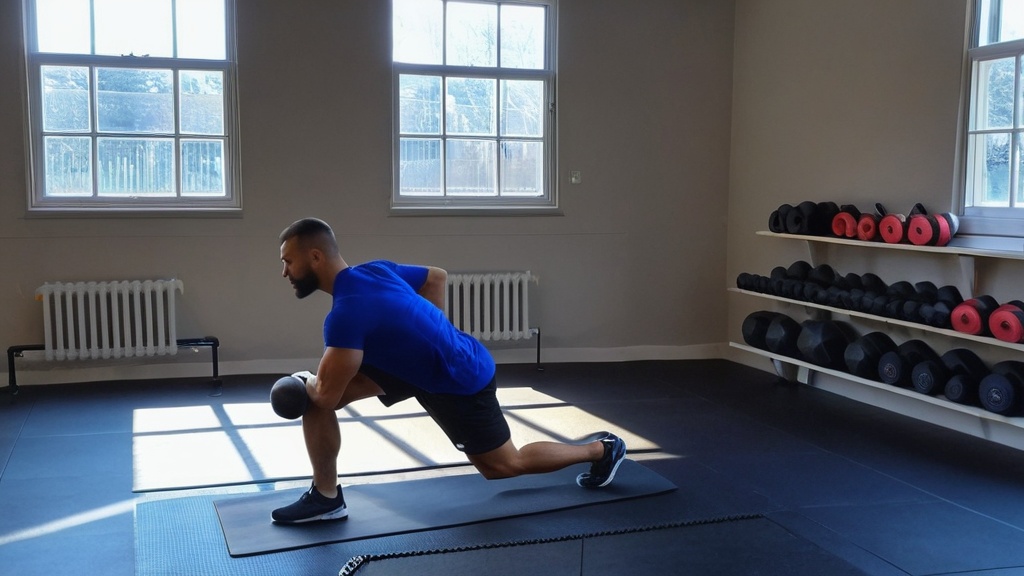
Strength training is essential for maintaining mobility as men age.
Stronger muscles also enhance balance, reducing the risk of falls.
Incorporating resistance exercises into a routine can yield significant benefits. Focus on compound movements like squats and deadlifts. These exercises engage multiple muscle groups, promoting functional strength.
Flexibility and Stretching Routines
Flexibility is a key component of mobility. Regular stretching helps maintain joint range of motion and reduces stiffness. Men over 50 should prioritize flexibility in their fitness routines.
Incorporate static stretches targeting major muscle groups after workouts. Hold each stretch for 15 to 30 seconds to maximize benefits.
Balance and Stability Exercises
Balance becomes increasingly important as men age. Good balance prevents falls and enhances overall mobility. Incorporating balance exercises into a routine can significantly improve stability.
Simple exercises like single-leg stands and heel-to-toe walks are effective. These movements challenge the body’s balance systems and build strength in stabilizing muscles. Regular practice can lead to greater confidence in movement.
Mobility Workouts for Everyday Activities
Mobility workouts should focus on functional movements used in daily life. Activities like bending, reaching, and twisting require good mobility. Tailoring workouts to mimic these actions can enhance everyday performance.
Consider incorporating exercises that simulate common tasks, such as squatting to pick up objects. This approach helps improve strength and flexibility in practical situations. Engaging in mobility workouts can make daily activities easier and safer.
Tips for Maintaining and Improving Mobility
To maintain and improve mobility, consistency is key. Establish a regular exercise routine that includes various components: strength, flexibility, and balance training. Gradually increase intensity to challenge the body without risking injury.
Listening to your body is crucial during this process. If something feels uncomfortable or painful, adjust your approach accordingly. Staying hydrated and eating a balanced diet also supports overall mobility.
Seeking Professional Help for Mobility Concerns
If mobility issues persist or worsen, seeking professional help is advisable. Physical therapists can provide personalized assessments and tailored exercise programs. They can identify specific limitations and recommend effective strategies for improvement.
Consulting with healthcare providers ensures a comprehensive approach to mobility concerns. They can address underlying health issues that may affect movement. Professional guidance can lead to significant improvements in mobility and quality of life.
In conclusion, maintaining mobility is essential for men over 50. Understanding its importance, limitations, and effective strategies can lead to a healthier lifestyle. By incorporating various exercises and seeking professional help when needed, men can enjoy improved mobility well into their later years.