

Testosterone plays a crucial role in men’s health, especially after age 50. This hormone influences muscle mass, bone density, and overall energy levels. As men age, testosterone levels naturally decline, leading to various health issues.
Low testosterone can result in fatigue, decreased libido, and mood swings. Understanding this hormone’s importance helps men take proactive steps to maintain their health. Addressing testosterone levels can significantly improve quality of life and overall well-being.
The Role of Diet in Supporting Testosterone Levels
Diet significantly impacts testosterone production and overall hormonal balance. Consuming the right foods can help maintain healthy testosterone levels. A balanced diet rich in essential nutrients supports hormone production and overall health.
Men over 50 should focus on whole foods that provide necessary vitamins and minerals. Incorporating a variety of foods can help optimize testosterone levels. A well-rounded diet not only supports hormone health but also enhances energy and vitality.
Essential Nutrients for Testosterone Production
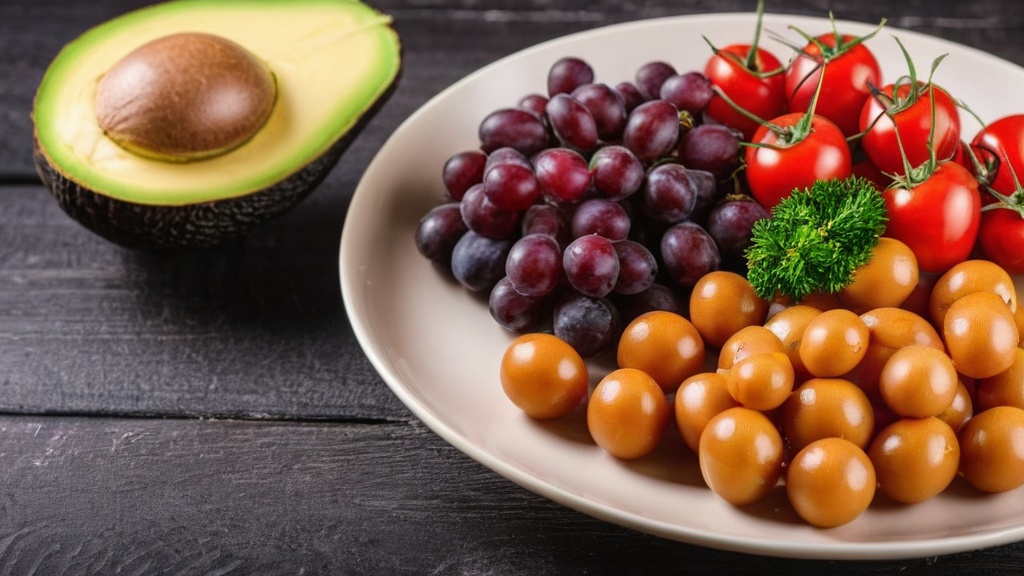
Several key nutrients play a vital role in testosterone production. Zinc, vitamin D, and omega-3 fatty acids are among the most important. These nutrients support various bodily functions that contribute to hormone balance.
Zinc is crucial for testosterone synthesis and immune function. Vitamin D helps regulate hormone levels and supports bone health. Omega-3 fatty acids promote heart health and reduce inflammation, further supporting testosterone production.
Foods Rich in Zinc and Its Impact on Testosterone
Zinc-rich foods can significantly impact testosterone levels. Oysters are one of the best sources of zinc, providing a potent boost to hormone production. Other good sources include red meat, poultry, beans, and nuts.
Incorporating these foods into your diet can help maintain healthy testosterone levels. Regular consumption of zinc-rich foods supports overall health and well-being. This simple dietary change can lead to noticeable improvements in energy and vitality.
The Importance of Healthy Fats for Testosterone Production
Healthy fats play a crucial role in testosterone production. They provide the building blocks for hormone synthesis and support overall health. Including sources of healthy fats in your diet can enhance testosterone levels.
Avocados, olive oil, and fatty fish are excellent sources of healthy fats. These foods not only support hormone production but also promote heart health. Balancing fat intake is essential for maintaining optimal testosterone levels.
The Role of Protein in Supporting Testosterone Levels

Protein is another essential nutrient for maintaining healthy testosterone levels. It provides the amino acids necessary for hormone production and muscle maintenance. Adequate protein intake supports overall health and vitality.
Men over 50 should focus on high-quality protein sources like lean meats, fish, eggs, and legumes. These foods help maintain muscle mass and support hormone balance. A protein-rich diet can lead to improved energy levels and physical performance.
The Impact of Vitamin D on Testosterone Levels
Vitamin D plays a significant role in regulating testosterone levels. Many men over 50 have insufficient vitamin D due to limited sun exposure. This deficiency can negatively impact hormone production and overall health.
Incorporating vitamin D-rich foods into your diet is essential. Fatty fish, fortified dairy products, and egg yolks are excellent sources. Additionally, consider safe sun exposure or supplements to maintain optimal vitamin D levels.
Incorporating Phytoestrogen-Rich Foods for Hormone Balance
Phytoestrogens are plant compounds that can help balance hormones in men. Foods rich in phytoestrogens include soy products, flaxseeds, and whole grains. These compounds may help mitigate the effects of declining testosterone levels.
Including phytoestrogen-rich foods in moderation can support hormonal balance. They may also provide additional health benefits, such as improved heart health. A diverse diet that includes these foods can enhance overall well-being.
The Benefits of Including Cruciferous Vegetables in the Testosterone Diet
Cruciferous vegetables offer numerous health benefits, including support for testosterone production. Vegetables like broccoli, cauliflower, and Brussels sprouts contain compounds that help regulate estrogen levels. This regulation can positively impact testosterone balance.
Incorporating cruciferous vegetables into your meals can enhance overall health. They provide essential vitamins, minerals, and fiber while supporting hormone balance. A colorful plate filled with these vegetables promotes vitality and well-being.
The Role of Antioxidants in Supporting Testosterone Production
Antioxidants play a vital role in supporting testosterone production by reducing oxidative stress. Foods rich in antioxidants help protect cells from damage caused by free radicals. This protection is crucial for maintaining healthy hormone levels.
Berries, nuts, dark chocolate, and green leafy vegetables are excellent sources of antioxidants. Including these foods in your diet can enhance overall health and support testosterone production. A diet rich in antioxidants promotes longevity and vitality.
Creating a Hormone-Friendly Meal Plan for Men Over 50
Creating a hormone-friendly meal plan involves incorporating various nutrient-dense foods. Focus on whole grains, lean proteins, healthy fats, fruits, and vegetables. This balanced approach supports testosterone production and overall health.
Start each day with a protein-rich breakfast to kickstart metabolism. Include zinc-rich snacks throughout the day to maintain energy levels. Planning meals around essential nutrients ensures you meet your dietary needs while supporting hormone balance.
In conclusion, understanding the importance of testosterone for men over 50 is crucial for maintaining health and vitality. A well-balanced diet rich in essential nutrients can significantly impact testosterone levels. By incorporating specific foods and nutrients into your daily routine, you can support hormone production and enhance your overall quality of life.