

As men age, their nutritional needs change significantly. After 50, the body undergoes various physiological changes that can affect metabolism, muscle mass, and overall health. For instance, men may experience a decrease in testosterone levels, which can influence energy levels and muscle strength. Therefore, it becomes crucial to focus on a balanced diet that meets these evolving needs.
A well-rounded diet for men over 50 should include a variety of nutrients. These include vitamins, minerals, healthy fats, and proteins. Prioritizing whole foods like fruits, vegetables, lean meats, and whole grains can help meet these nutritional requirements. Additionally, staying hydrated is essential for maintaining energy levels and supporting bodily functions.
Key Takeaways
- Men over 50 have specific nutritional needs to support aging-related health concerns.
- Key nutrients like Vitamin D, Omega-3s, Magnesium, and Calcium are vital for bone, heart, and muscle health.
- Supplements such as Coenzyme Q10, Probiotics, Zinc, and Vitamin B12 aid energy, immunity, digestion, and nervous system function.
- Saw Palmetto is beneficial for prostate health and urinary function in older men.
- Multivitamins can help fill dietary gaps and promote overall well-being in men over 50.
Vitamin D: The Sunshine Vitamin for Bone Health and Immune Function
Vitamin D plays a vital role in maintaining bone health and supporting the immune system. As men age, their skin becomes less efficient at synthesizing vitamin D from sunlight. This can lead to deficiencies, which may increase the risk of osteoporosis and fractures. A study published in the Journal of Clinical Endocrinology & Metabolism found that adequate vitamin D levels are crucial for bone density in older adults.
To boost vitamin D intake, consider incorporating foods like fatty fish, fortified dairy products, and egg yolks into your diet. Spending time outdoors can also help, but be mindful of sun exposure to avoid skin damage. If you struggle to get enough vitamin D from food and sunlight, talk to a healthcare provider about supplementation options.
Omega-3 Fatty Acids: Supporting Heart Health and Cognitive Function
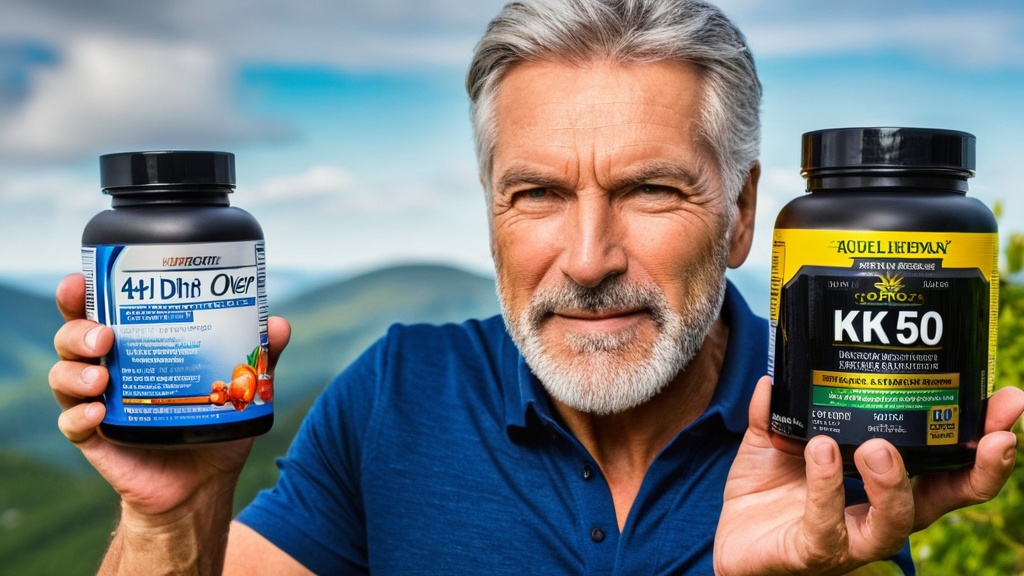
Omega-3 fatty acids are essential fats that offer numerous health benefits, particularly for heart health and cognitive function. Research shows that these fatty acids can lower triglyceride levels and reduce the risk of heart disease. A study published in the American Journal of Clinical Nutrition highlighted that omega-3s can also support brain health by improving memory and cognitive function.
To increase your omega-3 intake, consider adding fatty fish like salmon, mackerel, or sardines to your meals. If you prefer plant-based sources, walnuts and flaxseeds are excellent options. Omega-3 supplements, such as fish oil or algal oil, can also be beneficial if dietary sources are insufficient.
Magnesium: A Key Mineral for Muscle Function and Blood Sugar Regulation

Magnesium is a crucial mineral that supports muscle function and helps regulate blood sugar levels. As men age, magnesium absorption may decrease, leading to potential deficiencies. Research published in the journal Nutrients indicates that adequate magnesium intake can improve muscle performance and reduce the risk of chronic diseases.
To ensure you get enough magnesium, include foods like leafy greens, nuts, seeds, and whole grains in your diet. A handful of almonds or a serving of spinach can significantly contribute to your daily magnesium needs. If you suspect a deficiency or have specific health concerns, consult with a healthcare professional for personalized advice.
Coenzyme Q10: Powering Up Energy Production and Supporting Heart Health
| Supplement | Recommended Daily Dosage | Primary Benefits | Considerations for Men Over 50 | Common Side Effects |
|---|---|---|---|---|
| Vitamin D3 | 800-2000 IU | Supports bone health, immune function | Important due to decreased skin synthesis with age | High doses may cause nausea, weakness |
| Calcium | 1000-1200 mg | Maintains bone density | Split doses recommended; monitor kidney function | Constipation, kidney stones (if excessive) |
| Omega-3 Fatty Acids (Fish Oil) | 1000 mg EPA/DHA combined | Supports heart and brain health | Choose high-quality, purified products | Fishy aftertaste, mild gastrointestinal upset |
| Magnesium | 320-420 mg | Supports muscle and nerve function, bone health | May help with sleep and muscle cramps | Diarrhea at high doses |
| Coenzyme Q10 (CoQ10) | 100-200 mg | Supports energy production, cardiovascular health | Levels decline with age; may benefit heart health | Rare: mild insomnia, stomach upset |
| Zinc | 8-11 mg | Supports immune function, prostate health | Avoid excessive intake to prevent copper deficiency | Nausea, metallic taste at high doses |
| Vitamin B12 | 2.4 mcg | Supports nerve function, red blood cell production | Absorption decreases with age; supplementation often needed | Generally safe; rare allergic reactions |
Coenzyme Q10 (CoQ10) is a powerful antioxidant that plays a critical role in energy production within cells. It also supports heart health by improving blood vessel function and reducing oxidative stress. Research published in the journal Biofactors suggests that CoQ10 supplementation may benefit older adults by enhancing energy levels and overall vitality.
To boost your CoQ10 levels naturally, consider consuming foods like fatty fish, organ meats, and whole grains. However, if you find it challenging to get enough from your diet alone, CoQ10 supplements are widely available. Always consult with a healthcare provider before starting any new supplement regimen.
Probiotics: Maintaining Gut Health and Supporting Digestive Function
Probiotics are beneficial bacteria that promote gut health and support digestive function. As men age, gut microbiota diversity may decrease, leading to digestive issues and other health concerns. Research published in the journal Frontiers in Microbiology indicates that probiotics can help restore balance to the gut microbiome.
Incorporating probiotic-rich foods like yogurt, kefir, sauerkraut, and kimchi into your diet can enhance gut health. These foods contain live cultures that can improve digestion and boost immunity. If you prefer supplements, look for those containing multiple strains of probiotics for maximum benefit.
Zinc: Essential for Immune Function and Testosterone Production
Zinc is an essential mineral that plays a vital role in immune function and testosterone production. As men age, zinc levels may decline, potentially impacting overall health. A study published in the American Journal of Clinical Nutrition found that adequate zinc intake is crucial for maintaining healthy testosterone levels.
To ensure sufficient zinc intake, include foods like oysters, red meat, poultry, beans, nuts, and whole grains in your diet. A serving of oysters can provide more than enough zinc for the day! If you suspect a deficiency or have specific health concerns related to zinc levels, consult with a healthcare professional for guidance.
Vitamin B12: Supporting Nervous System Function and Energy Metabolism
Vitamin B12 is essential for maintaining nervous system function and energy metabolism. As men age, the ability to absorb vitamin B12 from food may decrease due to changes in stomach acidity. Research published in the journal Nutrients highlights the importance of adequate B12 levels for preventing cognitive decline.
To boost your B12 intake, focus on animal-based foods like meat, fish, eggs, and dairy products. If you follow a vegetarian or vegan diet, consider fortified foods or supplements to meet your B12 needs. Regularly monitoring your B12 levels can help prevent deficiencies that could impact your overall health.
Calcium: Maintaining Bone Health and Preventing Osteoporosis
Calcium is crucial for maintaining strong bones and preventing osteoporosis as men age. Adequate calcium intake helps support bone density and reduces the risk of fractures. A study published in the Journal of Bone and Mineral Research emphasizes the importance of calcium for older adults’ bone health.
To ensure you get enough calcium, include dairy products like milk, yogurt, and cheese in your diet. If you’re lactose intolerant or prefer non-dairy options, consider fortified plant-based milk or leafy greens like kale and broccoli. If you’re concerned about your calcium intake or bone health, consult with a healthcare provider for personalized recommendations.
Saw Palmetto: Supporting Prostate Health and Urinary Function
Saw palmetto is an herbal supplement often used to support prostate health and urinary function in older men. Research suggests that it may help alleviate symptoms of benign prostatic hyperplasia (BPH), a common condition affecting older men. A study published in the Journal of Urology found that saw palmetto may improve urinary flow rates.
If you’re considering saw palmetto for prostate health, consult with a healthcare provider first. They can help determine if it’s appropriate for you based on your individual health needs.
Multivitamins: Filling in Nutritional Gaps and Supporting Overall Health
Multivitamins can be an effective way to fill nutritional gaps in your diet as you age. They provide a convenient source of essential vitamins and minerals that may be lacking due to dietary restrictions or lifestyle changes. Research published in the Journal of Nutrition suggests that multivitamins can support overall health in older adults.
When choosing a multivitamin, look for one specifically formulated for men over 50 to ensure it meets your unique needs. However, remember that multivitamins should complement a balanced diet rather than replace it. Always consult with a healthcare provider before starting any new supplement regimen to ensure it’s right for you.
In conclusion, understanding the nutritional needs of men over 50 is essential for maintaining optimal health as they age. By focusing on key nutrients like vitamin D, omega-3 fatty acids, magnesium, CoQ10, probiotics, zinc, vitamin B12, calcium, saw palmetto, and multivitamins, men can support their overall well-being effectively. Making informed dietary choices can lead to improved energy levels, better heart health, enhanced cognitive function, and stronger bones—ultimately contributing to a healthier life as they age.