

Delayed Onset Muscle Soreness (DOMS) affects many individuals, especially men over 50. This condition typically arises after intense physical activity. It manifests as muscle pain and stiffness, often peaking 24 to 72 hours post-exercise.
Understanding DOMS is crucial for older adults to manage their fitness routines effectively. As men age, their bodies undergo various changes. Muscle mass decreases, and recovery times lengthen.
Consequently, older adults may experience DOMS more intensely than younger individuals. Recognizing these changes helps men over 50 adapt their exercise strategies to minimize discomfort and enhance performance.
Key Takeaways
- DOMS is common in men over 50 and requires careful management to prevent injury.
- Proper warm-up, cool down, and gradual intensity increase help reduce muscle soreness.
- Mobility, flexibility exercises, and active recovery support muscle health and recovery.
- Adequate rest, nutrition, hydration, and therapies like foam rolling enhance recovery.
- Listening to your body and seeking professional guidance ensures safe, effective training.
Importance of Proper Warm-Up and Cool Down
A proper warm-up prepares the body for physical activity. It increases blood flow to the muscles and enhances flexibility. For men over 50, this step becomes even more critical.
A good warm-up can prevent injuries and reduce the severity of DOMS. Cooling down after exercise is equally important. It helps the body transition back to a resting state.
Gentle stretching during this phase can alleviate muscle tightness. Incorporating both warm-up and cool-down routines can significantly improve overall fitness and recovery.
Incorporating Mobility and Flexibility Exercises
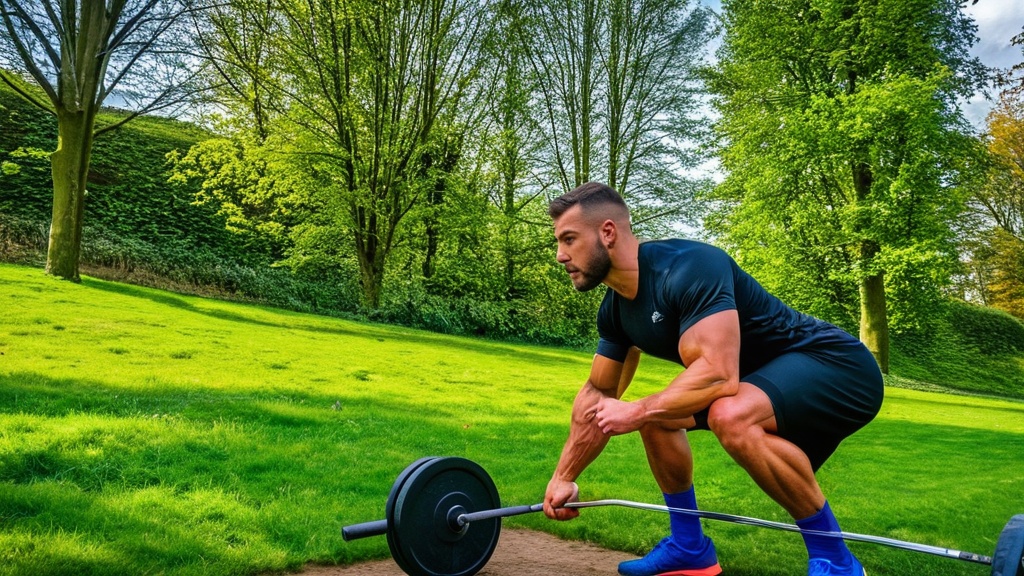
Mobility and flexibility exercises play a vital role in maintaining physical health. They enhance joint function and reduce the risk of injury. For men over 50, incorporating these exercises into their routine is essential.
Regular practice can improve overall movement quality. Simple activities like yoga or dynamic stretching can boost flexibility. These exercises also promote better circulation and muscle recovery.
By prioritizing mobility, older adults can maintain an active lifestyle while minimizing discomfort from DOMS.
Gradually Increasing Intensity and Volume
Gradual progression in exercise intensity and volume is crucial for older adults. Sudden increases can lead to injuries or exacerbate DOMS. Men over 50 should focus on small, manageable increments in their workouts.
This approach allows the body to adapt without overwhelming it. Tracking progress can help maintain motivation and ensure safety.
By gradually increasing intensity, older men can enjoy the benefits of exercise while minimizing risks.
Ensuring Adequate Rest and Recovery
| Metric | Description | Recommended Approach | Notes for Men Over 50 |
|---|---|---|---|
| Onset Time | Time after exercise when DOMS typically begins | 12-24 hours post-exercise | May experience delayed onset up to 48 hours |
| Duration | Length of time DOMS symptoms last | 3-5 days | Can last longer due to slower recovery rates |
| Intensity | Severity of muscle soreness on a scale of 1-10 | Typically 3-7 depending on workout intensity | Intensity may be higher; monitor to avoid injury |
| Hydration Level | Body water content affecting recovery | Maintain 2-3 liters/day | Critical to support muscle repair and reduce soreness |
| Protein Intake | Daily protein consumption to aid muscle recovery | 1.2-1.6 grams per kg body weight | Important to support muscle repair and reduce DOMS |
| Active Recovery | Low-intensity exercise to promote blood flow | Light walking, stretching, or cycling 20-30 minutes | Helps reduce stiffness and speed recovery |
| Sleep Duration | Hours of sleep per night for optimal recovery | 7-9 hours | Quality sleep is essential for muscle repair |
| Use of NSAIDs | Non-steroidal anti-inflammatory drugs for pain relief | Use sparingly and under medical advice | Long-term use not recommended; may impair muscle adaptation |
Rest and recovery are essential components of any fitness regimen. Older adults often require more time to recover than younger individuals. Prioritizing rest days allows muscles to repair and grow stronger.
This practice helps mitigate the effects of DOMS. Incorporating active recovery days can also be beneficial. Light activities like walking or swimming promote blood flow without straining the body.
Balancing exercise with adequate rest ensures long-term success in fitness endeavors.
Prioritizing Nutrition and Hydration

Nutrition plays a significant role in muscle recovery and overall health. Men over 50 should focus on a balanced diet rich in protein, healthy fats, and carbohydrates. Proper nutrition supports muscle repair and reduces inflammation associated with DOMS.
Hydration is equally important for recovery. Drinking enough water helps maintain optimal bodily functions. Dehydration can exacerbate muscle soreness and hinder performance.
Prioritizing both nutrition and hydration enhances recovery and overall well-being.
Utilizing Foam Rolling and Massage Therapy
Foam rolling offers a practical way to alleviate muscle soreness. This self-myofascial release technique helps break down knots in muscles. For men over 50, foam rolling can improve flexibility and reduce DOMS symptoms.
Massage therapy also provides significant benefits for recovery.
Regular sessions may help older adults manage muscle soreness more effectively, leading to improved performance.
Implementing Active Recovery Techniques
Active recovery techniques can aid in reducing muscle soreness after intense workouts. Gentle activities like walking or cycling keep blood flowing to sore muscles. This increased circulation promotes healing and reduces stiffness associated with DOMS.
Incorporating low-impact exercises into a weekly routine can enhance recovery. Activities such as swimming or yoga provide movement without excessive strain. These techniques help older adults maintain fitness while allowing their bodies to recover.
Listening to Your Body and Adjusting Training
Listening to your body is crucial for effective training, especially for men over 50. Pay attention to signs of fatigue or discomfort during workouts. Adjusting training intensity or volume based on these signals can prevent injuries and excessive soreness.
Being mindful of how your body responds to exercise fosters a healthier relationship with fitness. It encourages self-awareness and promotes long-term adherence to a workout routine. By prioritizing personal well-being, older adults can enjoy a more sustainable fitness journey.
Seeking Professional Guidance and Support
Seeking professional guidance can significantly enhance fitness outcomes for men over 50. Personal trainers or physical therapists offer tailored advice based on individual needs. They can help design safe and effective workout programs that consider age-related changes.
Group classes or community programs also provide valuable support. Engaging with others fosters motivation and accountability. Connecting with professionals ensures older adults receive the guidance necessary for safe exercise practices.
Embracing a Holistic Approach to Health and Fitness
A holistic approach to health encompasses physical, mental, and emotional well-being. Men over 50 should consider all aspects of their health when pursuing fitness goals. This perspective encourages balance in exercise, nutrition, and self-care practices.
Incorporating mindfulness techniques, such as meditation or deep breathing, can enhance overall wellness. These practices reduce stress and promote mental clarity, contributing to a healthier lifestyle. Embracing a holistic approach empowers older adults to thrive in their fitness journeys while enjoying life to the fullest.