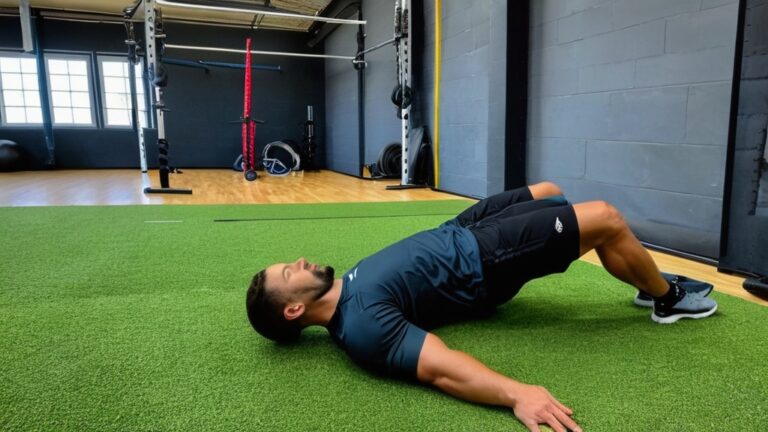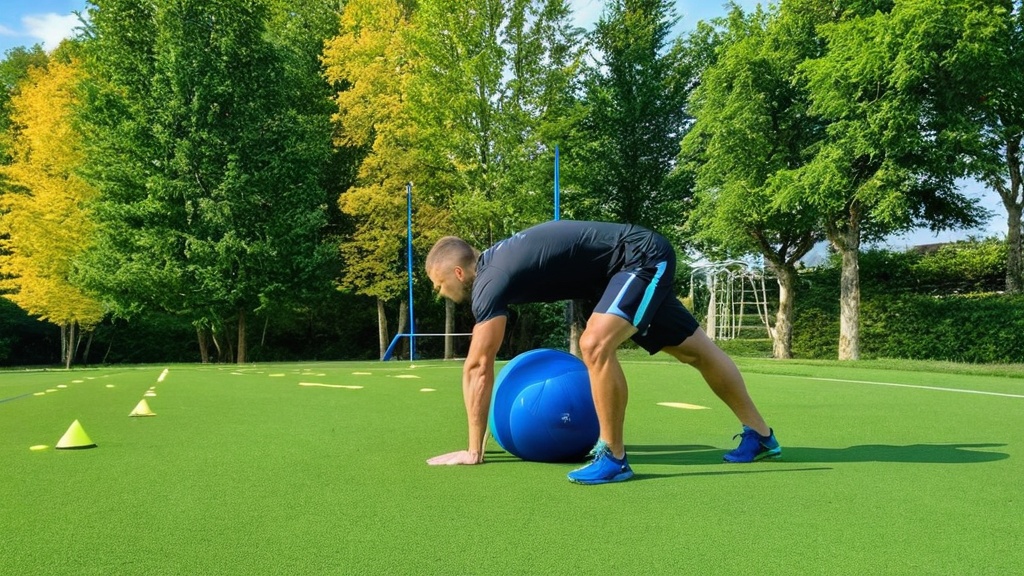

Mobility is essential for maintaining optimal health in men over 50 years of age. The aging process brings physiological changes that directly impact movement patterns, joint function, and muscle flexibility. Maintaining adequate mobility levels is fundamental for preserving functional independence and supporting overall quality of life.
Consistent mobility training provides measurable benefits including injury prevention and enhanced range of motion. These exercises improve blood circulation throughout the body and support joint health by maintaining synovial fluid production and cartilage nutrition. Regular participation in mobility-focused activities contributes to sustained physical activity levels, which research demonstrates is critical for both cardiovascular health and cognitive function in older adults.
Key Takeaways
- Maintaining mobility is crucial for men over 50 to support independence and overall health.
- Regular mobility drills help counteract age-related stiffness and improve joint function.
- Common mobility challenges include reduced flexibility, joint pain, and balance issues.
- Incorporating both lower and upper body mobility exercises, along with balance drills, enhances overall movement quality.
- Tailoring routines with professional guidance and appropriate modifications ensures safety and effectiveness.
Understanding the Changes in Mobility with Age
Aging brings about natural changes in the body that can impact mobility. Muscle mass tends to decrease, leading to reduced strength. Joint stiffness often increases, making movement less fluid.
Additionally, balance may decline as coordination diminishes. These changes can make everyday activities more challenging. Understanding these factors helps men recognize the importance of maintaining mobility.
The Benefits of Regular Mobility Drills

Incorporating regular mobility drills into a routine offers numerous benefits. These exercises enhance flexibility, allowing for a greater range of motion. Improved flexibility can lead to better performance in daily tasks.
Mobility drills also strengthen muscles and joints, reducing the risk of injury. They promote blood flow, which aids recovery and overall health. Regular practice can boost confidence and encourage a more active lifestyle.
Common Mobility Issues for Men Over 50
Men over 50 often face specific mobility issues that can hinder their daily lives. Arthritis is a common condition that affects joint function and causes pain. This can limit movement and make simple tasks feel daunting.
Another issue is tightness in the hips and lower back, which can stem from prolonged sitting. Poor posture may also contribute to discomfort and reduced mobility. Recognizing these issues is the first step toward addressing them effectively.
Essential Mobility Drills for the Lower Body
| Drill Name | Target Area | Repetitions | Duration | Frequency per Week | Benefits |
|---|---|---|---|---|---|
| Hip Circles | Hips | 10 each direction | 1-2 minutes | 3-4 times | Improves hip joint mobility and reduces stiffness |
| Cat-Cow Stretch | Spine | 10 | 2 minutes | 3-5 times | Enhances spinal flexibility and relieves back tension |
| Shoulder Rolls | Shoulders | 15 forward and backward | 1-2 minutes | Daily | Increases shoulder mobility and reduces stiffness |
| Ankle Circles | Ankles | 10 each direction | 1-2 minutes | 3-4 times | Improves ankle flexibility and balance |
| Neck Tilts | Neck | 10 each side | 1-2 minutes | Daily | Reduces neck stiffness and improves range of motion |
| Seated Spinal Twist | Spine and Core | 5 each side | 2 minutes | 3-4 times | Enhances spinal rotation and core flexibility |
Lower body mobility drills are vital for maintaining strength and flexibility. One effective exercise is the hip flexor stretch, which targets tightness in the hips. This stretch helps improve range of motion and reduces discomfort.
Another beneficial drill is the ankle mobility exercise. This involves moving the ankle in circular motions to enhance flexibility. Incorporating squats into a routine also strengthens the legs while promoting mobility.
Essential Mobility Drills for the Upper Body
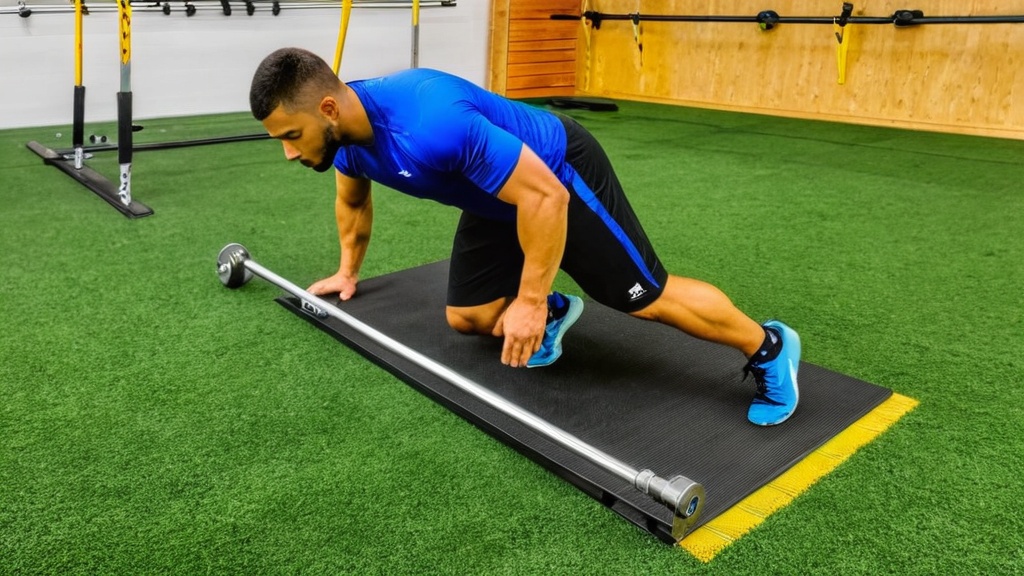
Upper body mobility is equally important for overall function. Shoulder rolls are a simple yet effective drill that helps relieve tension. This exercise promotes better posture and increases shoulder flexibility.
Another essential drill is the thoracic spine rotation. This movement enhances spinal mobility and improves overall upper body function. Incorporating these drills into a routine can lead to significant improvements in daily activities.
Incorporating Balance and Stability Drills
Balance and stability are crucial components of mobility training. Simple exercises like standing on one leg can enhance balance significantly. This drill challenges stability and strengthens the core muscles.
Another effective exercise is the heel-to-toe walk. This activity improves coordination and balance while engaging various muscle groups. Including these drills in a routine can help prevent falls and enhance overall mobility.
Tips for Creating a Mobility Routine
Creating a mobility routine requires careful planning and consistency. Start by setting realistic goals based on individual needs and abilities. Gradually increase the intensity and duration of exercises as comfort levels improve.
Incorporate a variety of drills to target different muscle groups. This approach keeps the routine engaging and effective. Consistency is key; aim to practice mobility exercises several times a week for optimal results.
Precautions and Modifications for Men Over 50
Safety should always be a priority when engaging in mobility drills. Men over 50 should consult with a healthcare professional before starting any new exercise program. This ensures that exercises are appropriate for individual health conditions.
Modifications may be necessary to accommodate specific limitations or injuries.
Listening to the body and adjusting routines accordingly is essential for preventing injuries.
Sample Mobility Drill Routine for Men Over 50
A sample mobility drill routine can provide structure and guidance. Begin with gentle warm-up exercises like neck rolls and shoulder shrugs. Follow this with lower body drills such as hip flexor stretches and ankle mobility exercises.
Incorporate upper body movements like shoulder rolls and thoracic spine rotations next. Finish with balance drills, including standing on one leg or heel-to-toe walking. Aim for 20-30 minutes of practice, focusing on form and breathing throughout.
Seeking Professional Guidance for Mobility Training
Seeking professional guidance can enhance the effectiveness of mobility training. A physical therapist or certified trainer can provide personalized advice tailored to individual needs. They can assess current mobility levels and recommend appropriate exercises.
Professional guidance ensures that men over 50 perform exercises safely and effectively. This support can lead to faster progress and improved outcomes. Investing in professional help can significantly enhance overall mobility and quality of life.