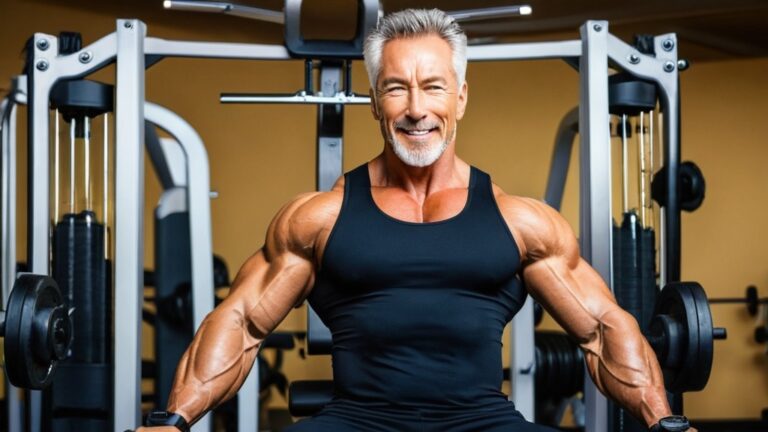

Hydration plays a crucial role in the lives of older lifters. As we age, our bodies become less efficient at retaining water. This inefficiency can lead to dehydration, which negatively impacts performance and recovery.
Older lifters often face unique challenges. They may experience decreased thirst sensations and changes in kidney function. These factors make it essential to prioritize hydration for optimal health and fitness.
How Dehydration Affects Performance and Recovery
Dehydration can significantly hinder athletic performance. Even mild dehydration can lead to fatigue, reduced strength, and impaired coordination. Older lifters may find it harder to complete their workouts effectively.
Recovery also suffers when hydration levels drop. Muscles need water to repair and rebuild after exercise. Without adequate hydration, recovery times can lengthen, leading to decreased motivation and increased risk of injury.
Recommended Daily Water Intake for Men Over 50

Men over 50 should aim for a specific daily water intake. The general recommendation is about 3.7 liters or 13 cups per day. However, individual needs may vary based on activity level and climate.
Older lifters should consider their exercise routines when determining water intake. Increased physical activity requires more hydration. Monitoring fluid intake helps ensure that they meet their specific needs.
Signs of Dehydration to Look Out For
Recognizing the signs of dehydration is vital for older lifters. Common symptoms include dry mouth, fatigue, and dizziness. These indicators can signal that the body needs more fluids.
Other signs include dark urine and decreased urine output. If an older lifter notices these symptoms, they should increase their water intake immediately. Staying aware of these signs can help maintain optimal hydration levels.
The Role of Water in Muscle Recovery
| Metric | Importance for Older Lifters | Recommended Amount | Effect on Recovery |
|---|---|---|---|
| Daily Water Intake | Maintains hydration, supports metabolism | 2.7-3.7 liters (varies by individual) | Improves muscle repair and reduces fatigue |
| Electrolyte Balance | Prevents cramps and supports nerve function | Maintain sodium, potassium, magnesium levels | Enhances muscle contraction and recovery |
| Hydration Before Exercise | Prevents dehydration and heat stress | 500 ml 2 hours before workout | Improves endurance and reduces injury risk |
| Hydration During Exercise | Replaces fluid lost through sweat | 150-250 ml every 15-20 minutes | Maintains performance and delays fatigue |
| Hydration After Exercise | Replenishes lost fluids and nutrients | 1.5 times the fluid lost during exercise | Speeds up recovery and reduces soreness |
| Signs of Dehydration | Important to monitor for safety | N/A | Prevents impaired muscle function and cognitive decline |
Water plays a fundamental role in muscle recovery after workouts. It helps transport nutrients to muscles, promoting healing and growth. Proper hydration also aids in flushing out toxins that accumulate during exercise.
Additionally, water helps maintain muscle elasticity and reduces soreness. This elasticity is crucial for older lifters who may experience stiffness. Staying hydrated can enhance overall recovery and performance.
Tips for Staying Hydrated Throughout the Day

Staying hydrated throughout the day requires intentionality. Older lifters should carry a water bottle to encourage regular sipping. Setting reminders can also help establish a consistent hydration routine.
Incorporating hydrating foods into meals can boost overall fluid intake. Fruits and vegetables like watermelon and cucumbers contain high water content. These foods not only hydrate but also provide essential nutrients.
Hydration Strategies for Before, During, and After Workouts
Implementing hydration strategies around workouts is essential for older lifters. Before exercising, drink water to prepare the body for physical activity. Aim for at least 16 ounces about two hours prior to working out.
During workouts, sip water regularly to maintain hydration levels. A good rule of thumb is to drink about 7 to 10 ounces every 10 to 20 minutes. After exercising, replenish lost fluids by drinking water or electrolyte-rich beverages.
Hydration and Electrolyte Balance for Optimal Performance
Electrolytes play a vital role in hydration and overall performance. Sodium, potassium, and magnesium help regulate fluid balance in the body. Older lifters should pay attention to their electrolyte intake, especially during intense workouts.
Consuming sports drinks or electrolyte supplements can help maintain balance during prolonged exercise. However, it’s essential to choose options low in sugar. This approach ensures that hydration supports performance without unnecessary calories.
The Connection Between Hydration and Joint Health for Older Lifters
Hydration significantly impacts joint health for older lifters. Joints require adequate lubrication to function properly, and water plays a key role in this process. Staying hydrated helps maintain synovial fluid levels, which cushion joints during movement.
Dehydration can lead to joint stiffness and discomfort. Older lifters may experience increased pain if they neglect hydration. Prioritizing fluid intake can enhance joint health and overall mobility.
How to Monitor Hydration Levels and Adjust Intake Accordingly
Monitoring hydration levels is crucial for older lifters aiming for optimal performance. One effective method is to check urine color regularly. Light yellow indicates proper hydration, while darker shades suggest a need for more fluids.
Another approach involves tracking daily water intake using apps or journals. This practice helps identify patterns and adjust fluid consumption as needed. Staying proactive about hydration ensures that older lifters meet their needs effectively.
The Impact of Hydration on Overall Health and Well-being for Older Lifters
Hydration affects overall health and well-being in older lifters significantly. Proper fluid intake supports cognitive function, digestion, and energy levels. Staying hydrated can enhance mood and reduce feelings of fatigue.
Moreover, adequate hydration contributes to better skin health and appearance. Older lifters often seek to maintain their vitality as they age. Prioritizing hydration is a simple yet effective way to support overall health and fitness goals.