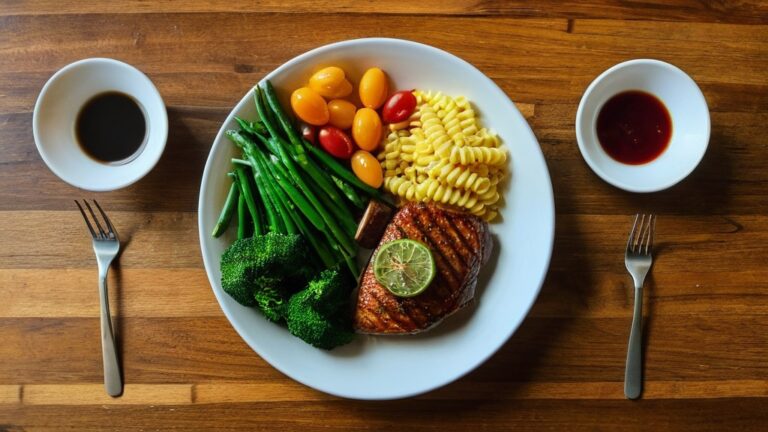

Meal timing plays a crucial role in the fitness journey of older lifters. As we age, our bodies undergo various changes that affect how we process nutrients. Proper meal timing can enhance performance, recovery, and overall health.
Older lifters often face unique challenges, such as slower metabolism and hormonal shifts. By strategically planning meals, they can optimize their workouts and maintain muscle mass. This approach not only supports physical goals but also promotes long-term well-being.
Understanding the Body’s Nutrient Needs as We Age
As we age, our nutrient needs evolve significantly. Older adults require more protein to maintain muscle mass and support recovery. Additionally, vitamins and minerals become increasingly important for overall health.
Hydration also plays a vital role in nutrient absorption. Older lifters should prioritize water intake to support digestion and nutrient transport. Understanding these needs helps create a balanced diet tailored to aging bodies.
The Role of Hormones in Meal Timing for Men Over 50
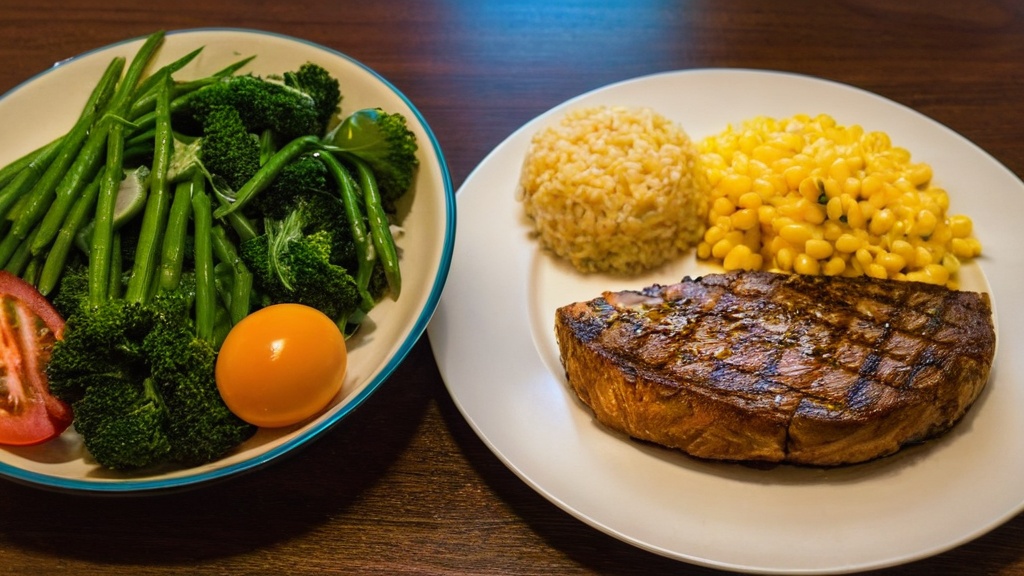
Hormonal changes significantly impact older men’s fitness and nutrition. Testosterone levels decline with age, affecting muscle growth and recovery. Meal timing can help mitigate some of these effects.
Eating protein-rich meals at strategic times can stimulate muscle protein synthesis. This process becomes crucial for older lifters aiming to maintain strength and mass. Understanding hormonal fluctuations allows for better meal planning.
How Meal Timing Can Impact Muscle Recovery and Growth in Older Lifters
Meal timing directly influences muscle recovery and growth in older lifters. Consuming protein shortly after workouts enhances recovery by providing essential amino acids. This practice helps repair muscle fibers damaged during exercise.
Additionally, spacing meals throughout the day can sustain energy levels. Frequent, balanced meals prevent energy dips and support consistent performance. Older lifters should focus on timing their meals around workouts for optimal results.
Strategies for Optimizing Meal Timing for Older Men
To optimize meal timing, older men should consider their daily schedules. Planning meals around workout times ensures adequate fuel before and after exercise. This strategy maximizes energy levels and supports recovery.
Incorporating snacks between meals can also be beneficial. Healthy snacks provide additional nutrients without overwhelming the digestive system. This approach helps maintain steady energy levels throughout the day.
The Relationship Between Meal Timing and Energy Levels in Older Lifters

Meal timing significantly affects energy levels in older lifters. Eating too infrequently can lead to fatigue and decreased performance. Regular meals help maintain stable blood sugar levels, providing consistent energy.
Older lifters should prioritize nutrient-dense foods to fuel their workouts. Complex carbohydrates, healthy fats, and lean proteins offer sustained energy. By timing meals effectively, they can enhance their overall performance.
Common Mistakes to Avoid When Planning Meal Timing for Older Lifters
Many older lifters make common mistakes when planning meal timing. Skipping meals or delaying post-workout nutrition can hinder recovery. It’s essential to prioritize regular meals to support muscle maintenance.
Another mistake is neglecting hydration. Dehydration can impair performance and recovery, especially in older adults. Staying mindful of fluid intake is crucial for optimal health and fitness.
Meal Timing and Its Impact on Metabolism in Men Over 50
Meal timing influences metabolism significantly in men over 50. As metabolism slows with age, strategic meal timing can help counteract this effect. Eating smaller, more frequent meals can boost metabolic rate.
Incorporating protein-rich foods at each meal also supports metabolic health. This practice encourages muscle maintenance, which is vital for a healthy metabolism. Understanding these connections helps older lifters make informed dietary choices.
The Connection Between Meal Timing and Weight Management for Older Lifters
Meal timing plays a critical role in weight management for older lifters. Consistent meal patterns help regulate appetite and prevent overeating. This approach supports healthy weight maintenance and body composition.
Older men should focus on nutrient-dense foods rather than empty calories. Prioritizing whole foods ensures they receive essential nutrients while managing weight effectively. Meal timing becomes a powerful tool in achieving fitness goals.
Meal Timing and Its Influence on Sleep and Recovery for Older Men
Meal timing can significantly influence sleep quality and recovery in older men. Eating too close to bedtime may disrupt sleep patterns, affecting overall recovery. It’s essential to allow time for digestion before sleeping.
On the other hand, consuming a balanced meal earlier in the evening can promote restful sleep. Foods rich in magnesium and tryptophan support relaxation and sleep quality. Prioritizing meal timing can enhance both sleep and recovery.
Practical Tips for Implementing an Effective Meal Timing Plan for Older Lifters
Implementing an effective meal timing plan requires careful planning and consistency. Start by establishing a daily routine that includes regular meal times. This structure helps regulate hunger cues and energy levels.
Older lifters should also keep a food journal to track their meals and energy levels. This practice provides insights into what works best for their bodies. Adjusting meal timing based on personal experiences can lead to optimal results.
In conclusion, meal timing is essential for older lifters aiming to maintain health and fitness. By understanding nutrient needs, hormonal changes, and the impact of meal timing on recovery, they can optimize their diets effectively. With careful planning and awareness of common pitfalls, older men can enhance their performance, manage weight, and improve overall well-being through strategic meal timing.