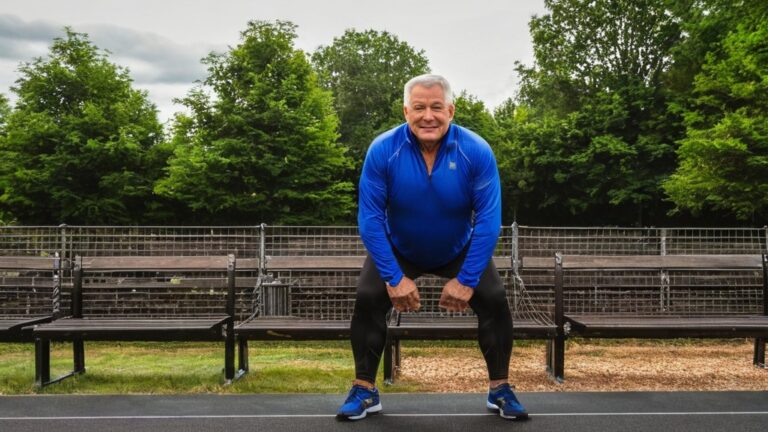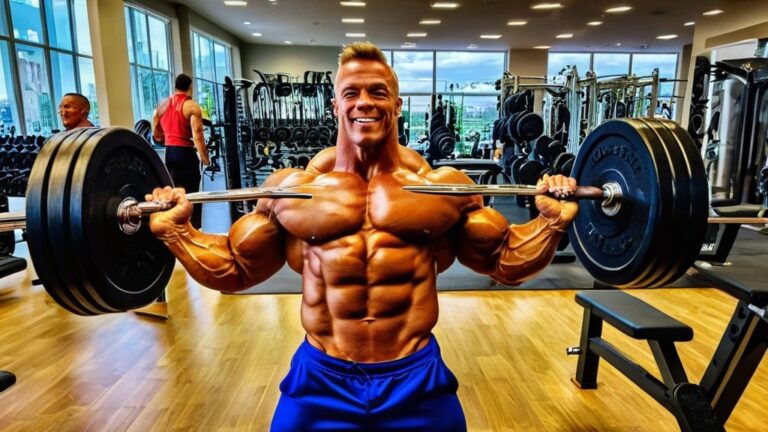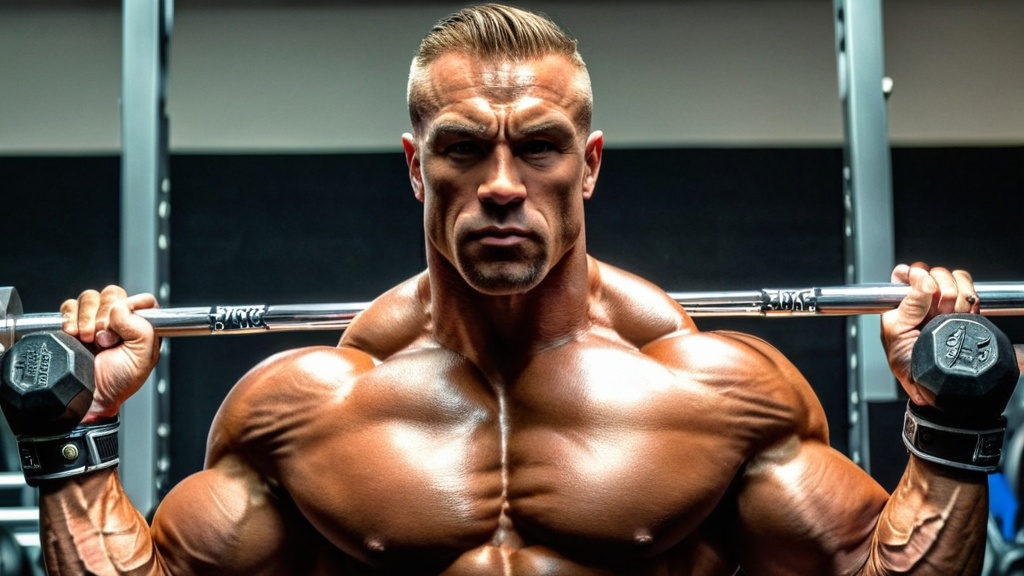

Ready to defy expectations? Turning 50 doesn’t mean your fitness journey ends. It’s a new beginning. Building muscle offers incredible benefits for men over 50. You can get stronger, healthier, and feel fantastic. Let’s explore how.
Muscle mass naturally declines with age. This process, called sarcopenia, starts around age 30. By age 50, it accelerates. Losing muscle impacts strength and mobility significantly.
A 2014 review in Current Opinion in Clinical Nutrition and Metabolic Care highlights sarcopenia’s prevalence. It shows muscle loss contributes to falls later in life. Maintaining muscle helps you stay independent. It also enhances your metabolism naturally.
Combating Sarcopenia
Strength training directly fights muscle loss. Regular exercise stimulates muscle protein synthesis. This helps your body build and repair muscle. Studies in The Journals of Gerontology, Series A confirm this. Older adults can gain significant muscle.
Beyond strength, muscle mass influences bone density. Lifting weights places stress on bones. This stimulates bone growth, making them stronger. The National Osteoporosis Foundation recommends strength training for bone health. Stronger bones mean less fracture risk.
Metabolic Health Benefits
Muscle is metabolically active tissue. It burns more calories than fat, even at rest. More muscle improves insulin sensitivity. This lowers your risk of type 2 diabetes. A 2011 study in Diabetes Care supports this connection.
Improved metabolism also helps manage weight. Maintaining a healthy weight reduces chronic disease risk. It supports heart health, too. Regular exercise is a cornerstone of good health.
Smart Training Principles for Older Lifters
Your body changes with age. Your training approach should adapt, too. Focus on proper form and injury prevention. Listen to your body always. Progressive overload remains important.
Prioritize Compound Movements
Compound exercises work multiple muscle groups. They are efficient and effective. Examples include squats, deadlifts, and overhead presses. These mimic natural movements.
A 2017 study in Sports Medicine emphasized their benefits. Compound lifts build functional strength. They also boost hormone responses. These responses aid muscle growth.
Focus on Proper Form
Good form prevents injuries. It also ensures muscles work correctly. Start with lighter weights. Master the movement pattern first. Watch instructional videos or seek a qualified coach.
The American College of Sports Medicine (ACSM) strongly advises proper technique. Incorrect form can strain joints. It can also lead to muscle imbalances. Safety is paramount.
Gradual Progression is Key
Don’t rush to lift heavy. Progressive overload means gradually increasing resistance. You can also increase reps or sets. Slowly challenge your muscles.
A 2019 meta-analysis in Sports Medicine found this crucial. Consistent progression leads to adaptations. It’s safe and highly effective. Listen to your body and avoid overtraining.
Incorporate Rest and Recovery
Muscles grow during recovery, not during workouts. Give your body time to repair. Aim for 48-72 hours rest between working the same muscle group. Quality sleep is also vital.
The National Sleep Foundation recommends 7-9 hours of sleep. Sleep regulates hormones, including growth hormone. This hormone is crucial for muscle repair. Prioritize good sleep habits.
Nutrition: Fueling Your Gains
What you eat fuels your body and muscles. Protein intake is especially important. Calories and micronutrients also play vital roles. A balanced diet supports overall health.
Protein Power
Protein provides amino acids. These are the building blocks of muscle. Older adults need more protein. This helps counter age-related muscle loss. Aim for 1.6-2.2 grams per kilogram of body weight daily.
A 2015 review in Nutrients supports higher protein intake. Spread your protein intake throughout the day. Include it in every meal. Good sources include lean meats, poultry, fish, eggs, and dairy. Plant-based options like legumes and tofu are also excellent.
Healthy Fats and Carbohydrates
Fats are crucial for hormone production. They provide energy, too. Choose healthy fats from avocados, nuts, seeds, and olive oil. Limit saturated and trans fats.
Carbohydrates provide energy for workouts. Opt for complex carbs like whole grains, fruits, and vegetables. These offer fiber and sustained energy. They also replenish glycogen stores.
Hydration is Essential
Drink plenty of water throughout the day. Dehydration impairs performance. It also affects recovery. Aim for at least 8 glasses daily. More if you are active.
Water transports nutrients to cells. It removes waste products. It also lubricates joints. Staying hydrated supports all bodily functions.
Micronutrient Importance
Vitamins and minerals support countless bodily processes. Calcium and Vitamin D are crucial for bone health. Zinc and magnesium aid muscle function. Eat a variety of fruits and vegetables.
Consider a multivitamin if your diet is lacking. Consult your doctor or a registered dietitian. They can assess your needs.
Lifestyle Factors for Optimal Health
Beyond diet and exercise, other factors matter. Stress management and sleep quality are vital. These contribute significantly to your overall well-being. They also impact muscle growth.
Manage Stress Effectively
Chronic stress elevates cortisol levels. High cortisol can break down muscle. Find healthy ways to manage stress. This could be meditation, hobbies, or spending time in nature.
A 2019 study in Stress linked cortisol to muscle catabolism. Lowering stress helps preserve muscle. It also improves overall mental health. Prioritize relaxation.
Prioritize Quality Sleep
As mentioned, sleep is crucial for muscle repair. It also helps regulate hunger hormones. Good sleep improves cognitive function. It boosts your immune system.
Create a relaxing bedtime routine. Limit screen time before bed. Ensure your bedroom is dark and cool. Invest in good sleep.
Stay Active Beyond the Gym
Incorporate non-exercise activity thermogenesis (NEAT). Take the stairs instead of an elevator. Park further away. Go for walks. Small movements add up.
Walking and light activity promote blood flow. This aids recovery. It also helps maintain a healthy metabolism. Find activities you enjoy.
Regular Health Check-ups
Visit your doctor regularly. Discuss any concerns you have. Get recommended screenings. Your doctor can guide you on safe exercise. They can also check for underlying conditions.
They can help you manage any health issues. This proactive approach ensures you train safely. It also helps you meet your fitness goals.
Common Myths and Misconceptions
| Metrics | Results |
|---|---|
| Weightlifting Frequency | 4 times per week |
| Protein Intake | 1.2-1.7 grams per kg of body weight |
| Body Fat Percentage | 12-15% |
| Supplements | Whey protein, creatine, BCAAs |
| Workout Duration | 60-75 minutes |
Many myths persist about training at an older age. Let’s debunk a few. You are not too old to build muscle. Your body adapts. It responds to proper stimulation.
“You Can’t Build Muscle After 50”
This is false. Research consistently shows gains are possible. A 2011 meta-analysis in Journal of the American Geriatrics Society reviewed this. Older adults can achieve significant strength and hypertrophy.
Muscle protein synthesis still occurs. It might be slightly less efficient. However, consistent training overcomes this. Embrace the potential for growth.
“Heavy Lifting is Dangerous for Older Adults”
Heavy lifting with proper form is safe. It’s also highly effective. The key is gradual progression and correct technique. Avoid ego lifting. Focus on controlled movements.
The ACSM emphasizes strength training for all ages. It helps prevent falls. It supports bone health. Consult a professional if you’re unsure.
“High Reps are Better for Older Muscles”
This is also a myth. Both low and high reps can build muscle. The critical factor is working close to failure. This stimulates muscle growth. A variety of rep ranges can be beneficial.
A 2017 review in Strength and Conditioning Journal supports this. Varying your rep ranges can provide different stimuli. It can also prevent boredom.
“Only Young People Need High Protein”
We’ve already discussed this. Older adults actually need more protein. This helps offset sarcopenia. It supports repair and growth. Do not neglect protein intake.
Prioritize protein with every meal. Choose lean, high-quality sources. Your muscles will thank you for it. This is a crucial dietary component.
Actionable Tips for Starting Your Journey
Ready to begin? Here are practical steps. Start slowly and build momentum. Celebrate every small victory. Consistency is your greatest tool.
Consult a Professional
Talk to your doctor before starting any new fitness program. This is especially important if you have existing health conditions. Get their clearance.
Consider hiring a certified personal trainer. Look for one experienced with older adults. They can design a safe, effective program. They can also teach proper form.
Start Small and Build Momentum
Don’t try to do too much too soon. Begin with 2-3 full-body workouts per week. Use light weights or even just your body weight. Focus on learning the movements.
As you get stronger, gradually increase. Add more weight, reps, or sets. Listen to your body’s signals always. Avoid overtraining at all costs.
Track Your Progress
Keep a workout journal. Record exercises, sets, reps, and weight. Seeing your progress is motivating. It also helps you plan future workouts.
Track body measurements or take progress photos. These methods reveal changes beyond the scale. Celebrate your achievements.
Find an Accountability Partner
Exercising with a friend or group can boost motivation. You can support each other. It makes workouts more enjoyable. It adds a social element.
Online communities can also offer support. Share your goals and challenges. Learn from others’ experiences. Stay connected.
Be Patient and Consistent
Muscle building takes time. Results won’t appear overnight. Consistency is far more important than intensity. Stick with your program. Celebrate small wins.
Enjoy the journey. Focus on feeling better, stronger, and more energetic. These benefits are profound. They improve your quality of life. Embrace a lifelong fitness mindset.
By embracing strength training, proper nutrition, and a healthy lifestyle, men over 50 can achieve impressive results. Your prime years are now. Take control of your fitness journey. Build a stronger, healthier you.
FAQs
What are the benefits of bodybuilding for men over 50?
Bodybuilding for men over 50 can help improve muscle mass, strength, and bone density, which can help prevent age-related muscle loss and osteoporosis. It can also improve overall physical health and mental well-being.
What are some important considerations for men over 50 who want to start bodybuilding?
Men over 50 should consult with a healthcare professional before starting a bodybuilding program to ensure they are healthy enough for the physical demands. It’s also important to start with lighter weights and focus on proper form to prevent injury.
What are some common challenges for men over 50 in bodybuilding?
Common challenges for men over 50 in bodybuilding include slower muscle recovery, increased risk of injury, and age-related hormonal changes that can affect muscle growth. It’s important to adjust training and recovery strategies to accommodate these challenges.
What are some key nutritional considerations for men over 50 in bodybuilding?
Men over 50 in bodybuilding should focus on a balanced diet that includes adequate protein to support muscle growth and repair. They may also need to consider supplements such as vitamin D and calcium for bone health, and omega-3 fatty acids for heart health.
How can men over 50 stay motivated in their bodybuilding journey?
Staying motivated in bodybuilding for men over 50 can involve setting realistic goals, tracking progress, finding a supportive community, and varying their workouts to keep things interesting. It’s also important to listen to their bodies and adjust their training as needed to prevent burnout or injury.