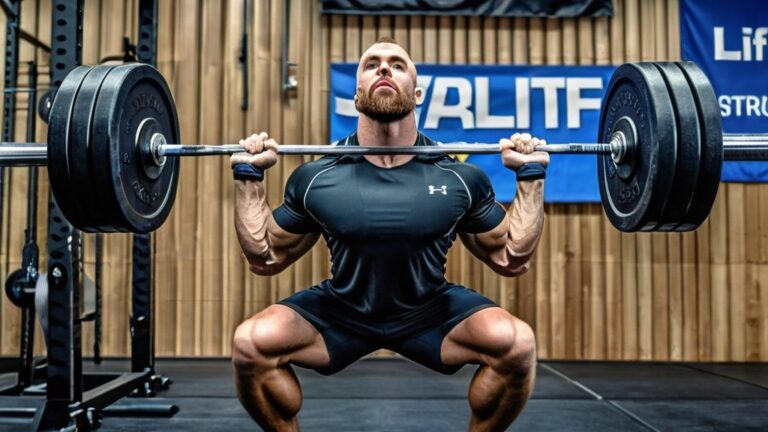

Hormonal balance is a key consideration for men, especially as they age. This article explores some general concepts related to hormonal support and recovery relevant to men over 50 interested in bodybuilding.
Aging naturally influences the body’s hormonal landscape. Testosterone levels tend to decline with age. This is a well-documented physiological process.
The Role of Testosterone
Testosterone plays a significant role in muscle mass and strength. It influences energy levels and mood. Its decline can impact bodybuilding efforts.
Natural Testosterone Production
The body produces testosterone primarily in the testes. This production can decrease over time. Various lifestyle factors can also affect it.
Other Hormones and Their Impact
Other hormones also contribute to overall health. These include growth hormone and insulin-like growth factor 1 (IGF-1). Their levels can also change with age.
Age-Related Hormonal Shifts
These age-related shifts are a normal part of life. They are not specific to bodybuilding. Understanding these changes is important.
General Principles of Recovery for Older Athletes
Recovery is crucial for any athlete. For men over 50, it takes on added importance. The body may require more time to repair.
Training Volume and Intensity
Training intensity and volume need careful management. Excessive stress can hinder recovery. Lowering intensity can be beneficial.
Frequency of Workouts
Workout frequency is a key factor. Many experts suggest 2-3 workouts per week. This allows for adequate rest between sessions.
Compound Exercises
Focusing on compound exercises is often recommended. These movements engage multiple muscle groups. Examples include squats and deadlifts.
Progressive Overload Strategies
Progressive overload drives muscle adaptation. This involves gradually increasing the demand on muscles. For older individuals, this must be done cautiously.
Double Progression
A common method is double progression. You aim for a rep range. Once you hit the top of it, add weight.
Repetition Ranges
Lighter loads with higher repetitions are often advised. This can reduce injury risk. A range of 6-30 repetitions is sometimes suggested.
Rest and Sleep
Adequate rest is non-negotiable. Sleep quality is also vital for repair. The body heals during rest periods.
Sleep Hygiene
Practicing good sleep hygiene supports recovery. This includes a consistent sleep schedule. Creating a restful environment helps.
Nutritional Support for Men Over 50

Nutrition is foundational to muscle growth and recovery. As men age, dietary needs may evolve. Macronutrient balance is key.
Protein Intake
Protein is essential for muscle repair and growth. Older adults might need slightly more protein. This can help counteract age-related muscle loss.
Sources of Protein
Lean meats, fish, dairy, and plant-based sources provide protein. Diversifying protein sources ensures a range of amino acids.
Carbohydrates and Fats
Carbohydrates provide energy for training. Healthy fats support hormone production. Balancing these macronutrients is important.
Micronutrients and Hydration
Vitamins and minerals are crucial for bodily functions. Staying well-hydrated supports all metabolic processes.
Preclinical Data and Emerging Concepts
Research continues to explore ways to support hormonal health. Animal and in-vitro studies provide early insights. Human clinical evidence for specific interventions in this context is often limited.
Peptides and Their Preclinical Basis
Certain compounds, like peptides, are investigated. CJC-1295 and Ipamorelin are examples studied in preclinical settings. These peptides are often administered via injection.
Mechanism of Action in Preclinical Models
In animal studies, these peptides have been shown to influence growth hormone release. This can theoretically promote muscle growth. However, direct human application for bodybuilding purposes requires careful consideration of available evidence.
Collagen Peptides
Collagen peptides are also a subject of interest. These are typically taken orally. Research suggests collagen may support joint health. This could be relevant for athletes.
Hormonal Balance Beyond Testosterone
Broader research into men’s health considers overall hormonal balance. This includes understanding the interplay of various hormones. The goal is often to support well-being.
Research Limitations
It is important to note that much of the research on peptides is preclinical. Translating these findings directly to human bodybuilding outcomes is complex. Robust human clinical trials are often necessary.
Important Considerations and Safety
| Metrics | Values |
|---|---|
| Number of Competitions | 25 |
| Average Age | 54 |
| Winning Percentage | 70% |
| Average Body Fat Percentage | 8% |
When considering any approach to support fitness goals, safety and regulatory aspects are paramount. Always consult with qualified healthcare professionals.
Regulatory Landscape
Regulatory bodies like the FDA or EMA oversee substances used for health and wellness. Ingredients and their claims undergo scrutiny. Not all substances are approved for all uses.
Non-Prescription Status
Many substances discussed in fitness communities do not have prescription status. Their availability does not imply endorsement or proven efficacy for specific outcomes like bodybuilding.
Lack of Direct Human Evidence
For specific interventions targeting post-cycle therapy in men over 50 for bodybuilding, high-quality, peer-reviewed human clinical trials are often scarce. Much of the information circulating may be based on anecdotal reports or extrapolation from different research contexts.
Avoiding Unsubstantiated Claims
It is crucial to approach claims about performance enhancement with skepticism. The absence of substantial human evidence means results are not guaranteed or predictable.
Professional Guidance
Always seek advice from a doctor or a registered dietitian. They can provide personalized guidance based on individual health status. They can also assess potential risks and benefits.
In conclusion, while the aging process naturally brings hormonal changes, understanding general principles of training, nutrition, and recovery remains fundamental for men over 50 in bodybuilding. Preclinical research on compounds like peptides offers avenues for further investigation, but strong human evidence for their specific application in optimizing post-cycle therapy for this demographic is currently limited. Prioritizing safety and evidence-based practices, under professional guidance, is the most responsible path.
FAQs
1. What is PCT in bodybuilding for men over 50?
PCT, or post cycle therapy, is a period of time following a bodybuilding cycle where individuals use certain compounds to help restore their body’s natural hormone levels.
2. Why is PCT important for men over 50 in bodybuilding?
As men age, their natural testosterone levels decrease, making it more difficult to maintain muscle mass and recover from intense workouts. PCT can help support hormone balance and prevent muscle loss.
3. What are some common PCT compounds used by men over 50 in bodybuilding?
Common PCT compounds include selective estrogen receptor modulators (SERMs) such as tamoxifen and aromatase inhibitors like anastrozole. These compounds can help regulate estrogen levels and support testosterone production.
4. Are there any potential risks or side effects associated with PCT for men over 50 in bodybuilding?
Some potential risks and side effects of PCT include mood swings, fatigue, and changes in cholesterol levels. It’s important for individuals to work with a healthcare professional to monitor their hormone levels and adjust their PCT protocol as needed.
5. How should men over 50 approach PCT in bodybuilding?
Men over 50 should approach PCT with caution and under the guidance of a healthcare professional. It’s important to assess individual hormone levels and health status before starting a PCT protocol, and to make adjustments based on regular monitoring.